Japan Cricket Faces India: A Historic Match at Sano International Stadium
In Japanese cricket, this was the dream that always sounded a little too big.
Naoki Alex Miyaji, the CEO of the Japan Cricket Association, would talk about hosting India and people would smile politely. The reigning world champions, flying across continents to face the 41st‑ranked Associate nation? Nice idea. Not happening.
Then the Asian Games arrived. And the impossible suddenly had a date, a venue, and a toss.
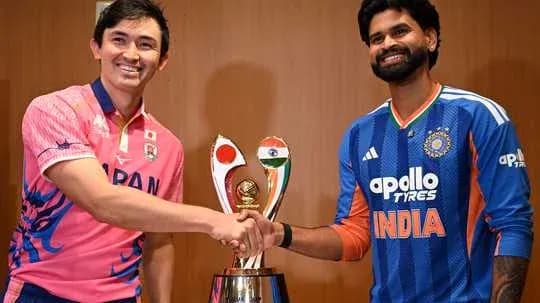
On Tuesday, September 22, at Sano International Stadium, Japan will walk out behind captain Kendel Kadowaki Fleming to face India. Not in a fantasy schedule. In an actual, sanctioned, high‑stakes game.
“The CEO has had this dream for a long time,” Kendel tells Cricbuzz. He remembers when the first whispers started. “When news first came up that we were hosting the Asian Games, Naoki had been talking about the concept of having India here for a game. So, for it to turn into reality is extremely special for a lot of people involved, and as a men's team, we can't wait.”
This is not a fixture that just fell out of the sky. It has been dragged into existence.
Kendel knows the scale of the effort. “It's taken a massive effort from a lot of people involved to make it happen.” The Japan Cricket Association pushed hard, the leadership stayed stubborn, and crucially, the BCCI said yes. Without India’s agreement, this remains a nice story in a boardroom. With it, Japan suddenly finds itself at the centre of a global cricket moment.
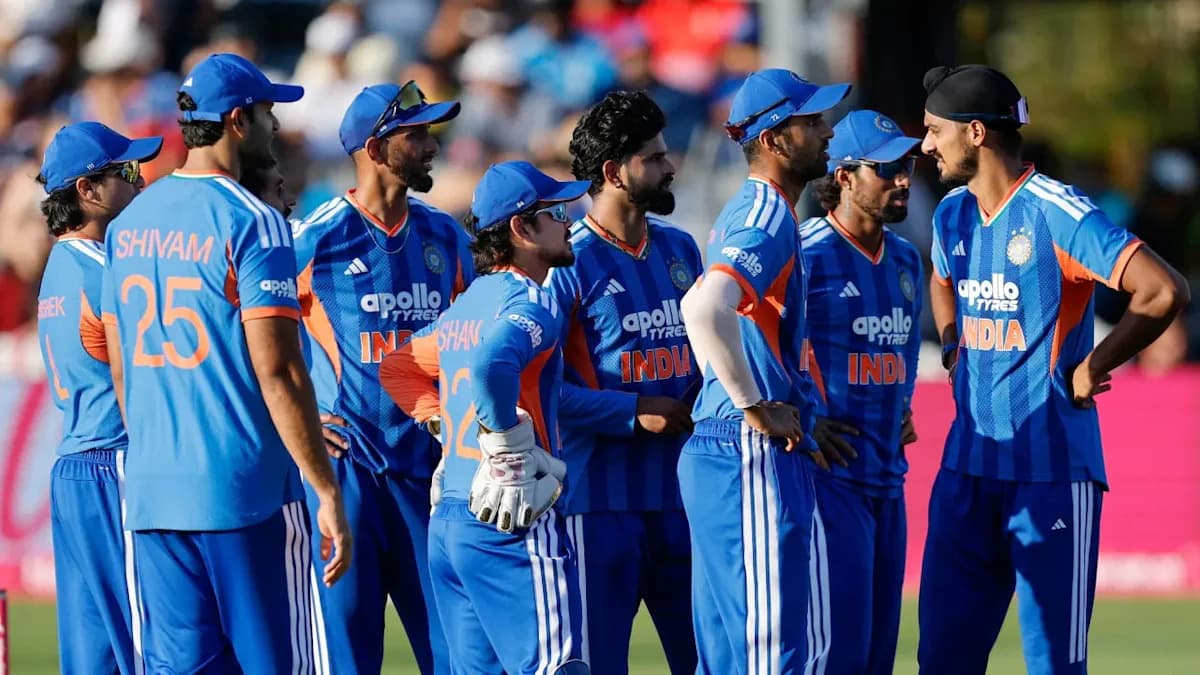
The Japanese players understand how rare this is. India have never played a bilateral match against an Associate nation. For Japan, that turns a single game into a once‑in‑a‑generation opportunity – for the team, and for the sport in the country.
“It's got the potential to accelerate the growth of cricket across the country,” Kendel says. He is not exaggerating. Sano is expected to see more people than ever before for a cricket match in Japan, drawn by the sight of the world champions in their backyard and by curiosity about a sport still fighting for space in a crowded sporting landscape.
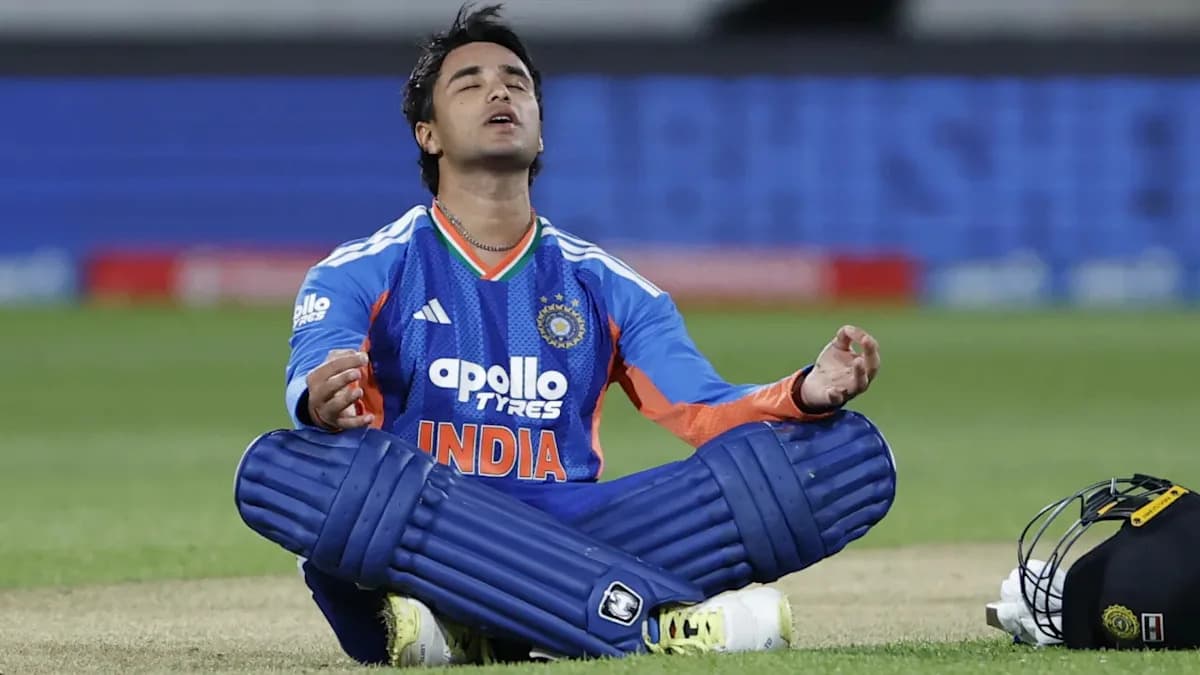
And what a set of visitors. Jasprit Bumrah steaming in on a Japanese pitch. Abhishek Sharma clearing Japanese boundaries. Shreyas Iyer walking out in Tokyo, not Mumbai or Kolkata. For a country still building its cricketing identity, these are scenes that once belonged only on a TV screen.
“It still does sound quite surreal to be hearing about them playing here in Japan,” Kendel admits. Surreal, yes. Intimidating, no. “I can't guarantee any outcome, but what I can guarantee is that we will try our best. We'll compete and hopefully we'll give it our best shot.”
That is the tone of this Japanese side: realistic, not deferential.
Kendel himself, 30, is a left‑handed batter and right‑arm off‑spinner, the kind of dual role Associate nations often rely on. Around him, Japan have built a squad that blends experience with emerging talent. The pathway system is starting to bear fruit, most notably in the form of 17‑year‑old all‑rounder Charlie Hara‑Hinze, a left‑arm spinner who represents both the present and the future.
Historically, Japan have leaned heavily on spin. The reasons are practical, not philosophical. They play on slower surfaces at home and on similar pitches in places like PNG, Thailand and Oman. Spin thrives there. So Japan leaned into it, learned to squeeze, learned to scrap.
They have also learned to punch upwards. At the ICC Men’s T20 World Cup Qualifier 2026, Japan produced a landmark result, beating Kuwait by five wickets. It wasn’t just a win; it was a signal that they could live with, and occasionally overcome, higher‑ranked opposition.
The ICC has taken notice. This is not just another game on a bloated international calendar. William Glenwright, the ICC’s Head of Global Development, calls the India–Japan clash “enormous” and places it squarely within the federation’s long‑term ambitions.
More than 1,000 bilateral games were played last year, over 860 already this year. Yet this one stands apart. “Having a full member and the world champions playing any associate member is hugely important to us from a cricket perspective,” Glenwright says. The symbolism is powerful: a full member trusting an Associate to host major international cricket, a sign that the gap is not just being measured but actively bridged.
Then there is the bigger picture. “What does it mean for the country of Japan and cricket's significance in Japan?” Glenwright asks. That is where the ripple effect lies – in the idea that a fixture like this can shift perception, unlock investment, and convince a new generation that cricket is not just something other countries do.
For now, Japanese cricketers live in a very different world from their Indian counterparts. In India, players are demigods. In Japan, they are largely anonymous. The country’s biggest sporting icon is Shohei Ohtani, a two‑way phenomenon in baseball and a global superstar.
“He’s the Virat Kohli of baseball,” Kendel says. It is an analogy designed for an Indian audience, but it also underlines the scale of the challenge. Baseball owns the spotlight. “It’s definitely a sport that many of the supporters get behind in Japan.”
Cricket is nowhere near that level. Not yet.
But that is exactly why this game matters. A packed Sano, cameras pointed at Japanese players sharing a field with Bumrah and company, can do things no brochure or development seminar ever could. It can make cricket feel real, local, possible.
Kendel is not naïve about the distance still to travel. “There's no reason why we can't aspire to become like that in cricket someday,” he says. “We've got a long road ahead if we can try to replicate the full-member countries for sure.”
On Tuesday, that road runs straight through Sano International Stadium, with India on the other side of the pitch and a dream finally wearing spikes.