Japan Push India to the Brink in T20 Thriller
On a damp night in Nagoya, a fixture arranged as a tune-up for the world champions nearly turned into a diplomatic coup for the hosts.
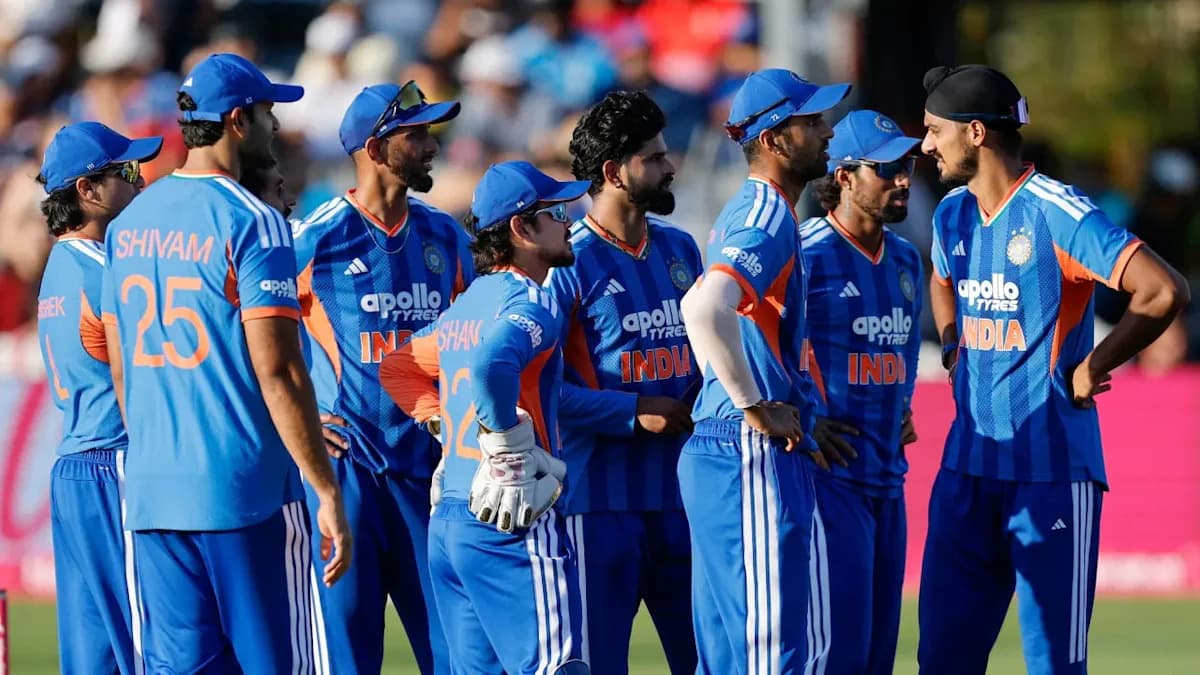
India, reigning global powerhouse, escaped with a two-run win over Japan in a rain-hit Twenty20 International on Tuesday, a game so heavily truncated it resembled a backyard slog more than a full-blooded international. Five overs a side. One mis-hit, one misfield, one moment of panic – that was the margin.
It almost went Japan’s way.
India Struggle as Japan Seize Their Moment
India chose to bat, expecting to impose themselves. Instead, they laboured.
On a placid pitch and a sluggish outfield that punished anything less than perfectly timed strokes, India’s batters never found rhythm. Boundaries died in the grass. Drives plugged. Singles became a slog.
Only captain Shreyas Iyer looked remotely in control, scratching his way to 16 – the lone double-digit score in the innings. Around him, wickets fell and momentum stalled. By the end of their five overs, India were marooned on 32-4, a total that would have looked underwhelming in a club game, let alone for world champions facing a fledgling international side.
The pressure shifted instantly. Japan, the supposed minnows, suddenly had a target that felt real.
Hosts Fall Agonisingly Short
Japan’s reply never turned into the collapse many might have expected. They batted with nerve, not naivety.
With 33 needed from 30 balls, they stayed in the contest deep into the final over. Three wickets fell, but the chase never fully disintegrated. Every scrambled two, every thick edge that found space, every Indian misfield drew the crowd further into the drama.
At 30-3, with the game slipping into its final deliveries, Japan stood just a single blow away from what would have been a landmark victory in their first-ever T20 meeting with India. The big hit never came. India clung on. Barely.
A Friendly Fixture With Real Edge
This was no ordinary exhibition. Japan had worked through diplomatic channels to secure the high-profile match, a rare chance to test themselves against the sport’s elite. India, for their part, treated it as a practical stop on the road, a way to adjust to Japanese conditions before beginning the defence of their Asian Games title.
Yet under the floodlights in Nagoya, the script wobbled. The giants looked human. The newcomers looked dangerous.
India got what they came for: time in the middle, a win on the board, and a sharp reminder that reputations don’t protect you when the game is squeezed into five frantic overs.
Japan walked away without the result, but with something more enduring – proof they can live with the best when the lights are brightest. If this is their starting point, what happens when they’re no longer the minnows?