Kevin Pietersen's Spin Masterclass for England's ODI Team
Kevin Pietersen has spent a lifetime bullying spin. Now he is trying to teach England’s white-ball side to do the same.
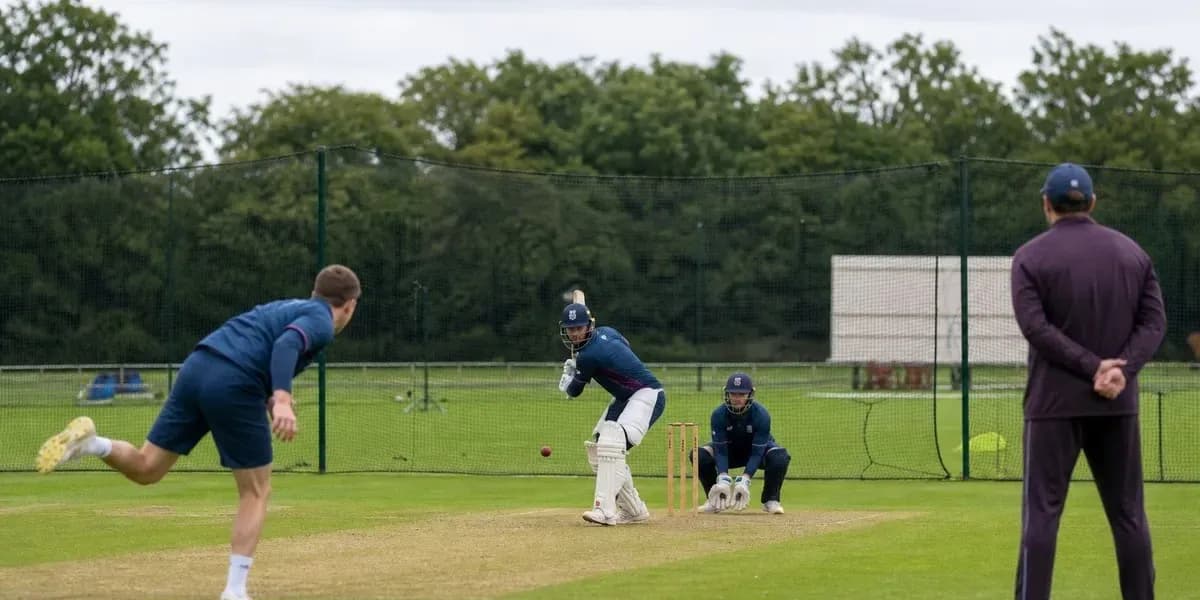
Brought in this month as a specialist coach for the limited-overs teams ahead of next year’s World Cup, the 46-year-old has gone straight to the heart of England’s long-standing weakness: how their batters handle slow bowling when the pressure tightens and the field spreads.
Captain Harry Brook has wasted no time in nailing his colours to the mast. He hailed Pietersen’s early work with the squad, describing a masterclass that drilled down into one deceptively simple theme: judging length against spin.
Not grip. Not mystery. Length.
That, Brook believes, is where matches are won or lost in the middle overs, especially in One Day Internationals. Get it wrong and you’re stuck on the crease, poking and prodding. Get it right and suddenly the scoreboard starts to tick, the fielders are dragged around, and the spinner’s spell is cut short.
Brook made it clear that England’s ODI game, in particular, needs sharpening in this area. The Twenty20 side has the power and the range-hitting; what he wants now is the craft to rotate the strike when the ball is turning and the pitch is slowing. For him, the ability to work spinners, not just survive them, can tilt tight contests.
If you are going to learn that art, Pietersen is a good place to start. He is England’s third-highest run-scorer across all formats and one of the most destructive players of spin the country has produced. Brook also pointed to Joe Root and Marcus Trescothick as reference points for the current generation, examples of batters who picked length early and refused to let spinners dictate terms.
The early signs under the new regime are encouraging. In their first series since Pietersen joined up, England swept Sri Lanka 3-0 in Twenty20s, dismantling a side built around its spinners. That clean sweep carried them past India and up to the top of the Twenty20 world rankings, a reminder of what this group can do when their batting has clarity and purpose.
Now comes a different kind of examination: a three-match home ODI series against the same opponents, starting later on Tuesday. Same shirts, same badge, very different rhythm. Fifty overs expose flaws that twenty can hide.
Brook wants England to carry the intensity of their Twenty20 success straight into the longer format. He spoke of playing at a higher tempo, of turning the screw with both bat and ball, of refusing to let Sri Lanka settle into the sort of strangling spells their spinners traditionally enjoy.
Behind the upbeat words sits a clear ambition. England do not just want to be dangerous; they want to be one of the best-prepared teams in the world. That, Brook stressed, means work that stretches beyond the boundary rope: hours of planning, analysis, and mental preparation to match the physical drills and the time in the nets.
The captain insists the team is moving in the right direction. Pietersen’s arrival adds a hard edge of experience to that journey. The question now is simple: can England turn a few sharp sessions on judging length into a sustained, ruthless assault on spin in the year leading to the World Cup?