Jonathan Kuminga's Free Agency Verdict: A Cautionary Tale for Warriors
Jonathan Kuminga’s free agency didn’t just end with a contract. It ended with a verdict.
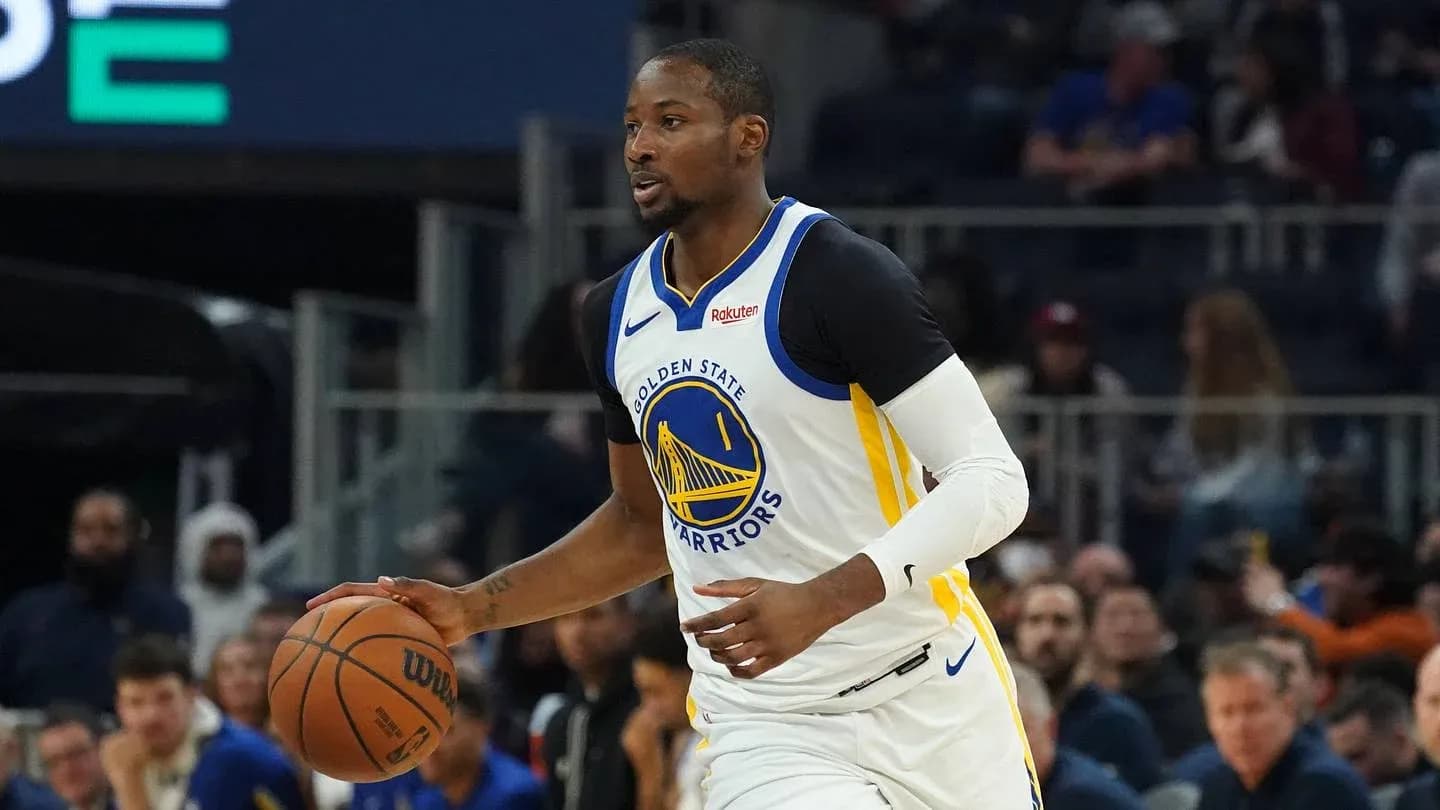
On Wednesday, the former Warriors lottery pick agreed to a two-year, $12.4 million deal with the Minnesota Timberwolves, built around the taxpayer mid-level exception — $6.1 million in Year 1. For a 21-year-old once positioned as Golden State’s bridge to the future, that number hit Warriors fans like a cold splash of reality.
This is a player who, a year ago, walked away from a three-year, $75.2 million offer from the franchise that drafted him. Now he’s signing for barely a sixth of that total. The easy reaction is to roast the agent. The more honest one? To look back at that $75.2 million offer and ask what on earth the Warriors were doing.
The Offer That Never Made Sense
The full story of those negotiations, reported by ESPN’s Shams Charania and Anthony Slater, reads like a case study in how quickly a front office can lose its footing.
Here’s how the dance went:
- Mike Dunleavy Jr. opened with a two-year, $45 million deal, team option on the second season.
- Kuminga said no. He wanted either more average annual value or a player option.
- Dunleavy came back with a bigger swing: three years, $75.2 million, team option on the third year.
- Kuminga rejected that too, again because of the team option.
- Joe Lacob, wary of a one-year “balloon” deal that risked losing Kuminga for nothing the next summer, resisted that route.
- Eventually, both sides settled on a two-year contract worth up to $48.5 million, with a team option in the second season.
In hindsight, Kuminga clearly misplayed his hand. He ended up with a deal that still included a team option, at a similar annual number, but with more than $20 million less guaranteed than the three-year, $75.2 million offer.
The more damning part, though, isn’t his decision. It’s that the Warriors ever put $75.2 million on the table.
This summer has delivered the league’s verdict on Kuminga’s value. No one came close to that number. Not in structure. Not in guarantee. Not in upside. That $75.2 million wasn’t just generous. It was reckless. And time has stripped away any benefit of the doubt.
The What-If That Could Have Crippled Golden State
Run the alternate timeline.
Kuminga accepts the three-year, $75.2 million offer. The tension with Steve Kerr still simmers — nothing about that relationship suggested money was the real issue. His minutes still fluctuate. His role still frustrates him. The flashes of brilliance still come wrapped in inconsistency.
At some point, the frustration boils over. He wants out. Only now he’s not an intriguing, semi-expiring asset. He’s a mid-tier salary locked in through 2026-27.
Part of the reason the Atlanta Hawks were willing to take a swing on him this summer was the flexibility. Kuminga arrived in Atlanta effectively on an expiring deal. They could evaluate him, then decide. They did exactly that, declining the team option and sending him into free agency.
Would they have surrendered Kristaps Porzingis if they were staring at a fully guaranteed 2026-27 number for a player still trying to prove he’s more than a tease? Hard to see it.
In that alternate world, Kuminga might still be in the Bay, fuming, while the Warriors scramble to find a partner willing to absorb his contract and his questions. Instead of a clean break and a reset, Golden State would be anchored to a bet that had already gone bad.
Kuminga turning down that $75.2 million didn’t just cost him money. It saved the Warriors from themselves.
A Miss That Exposes a Bigger Problem
Golden State got lucky on the contract outcome. That doesn’t absolve the process that led them there.
The organization poured years of hope into Kuminga as the heir apparent — the athletic, two-way wing who would carry the torch from Stephen Curry’s era into whatever came next. They reportedly turned down multiple trade opportunities built around that vision. They treated him like a future star.
Now he heads into his sixth season on a two-year, $12.4 million deal. That’s not star money. That’s “prove it or move on” money.
The misread is glaring. The Warriors overestimated not just Kuminga’s development curve, but his standing around the league. The $75.2 million offer is the clearest symbol of that gap between projection and reality.
To be fair, this isn’t all on the current regime.
Bob Myers was the general manager when Kuminga was drafted. The decision to tie so much of the franchise’s future flexibility to his upside began on Myers’ watch. Since taking over, Mike Dunleavy Jr. has shown sharper instincts in the draft. Brandin Podziemski looks like a hit. Quinten Post and Will Richard have drawn early praise. Yaxel Lendeborg turned heads in Summer League.
There are signs of a front office that can still find value, still identify pieces that fit.
But the Kuminga era, from draft night hype to this subdued exit, remains a mess. The negotiations, the overinvestment, the $75.2 million offer that now looks absurd in the cold light of the market — all of it hangs over the franchise as a warning.
The Warriors escaped the worst version of this story only because a young player overplayed his hand. The question now is whether they’ve learned enough from that near-miss to avoid writing the same script with the next “future star” they fall in love with.