Marnus Labuschagne Faces Critical Crossroads in ODI and Test Careers
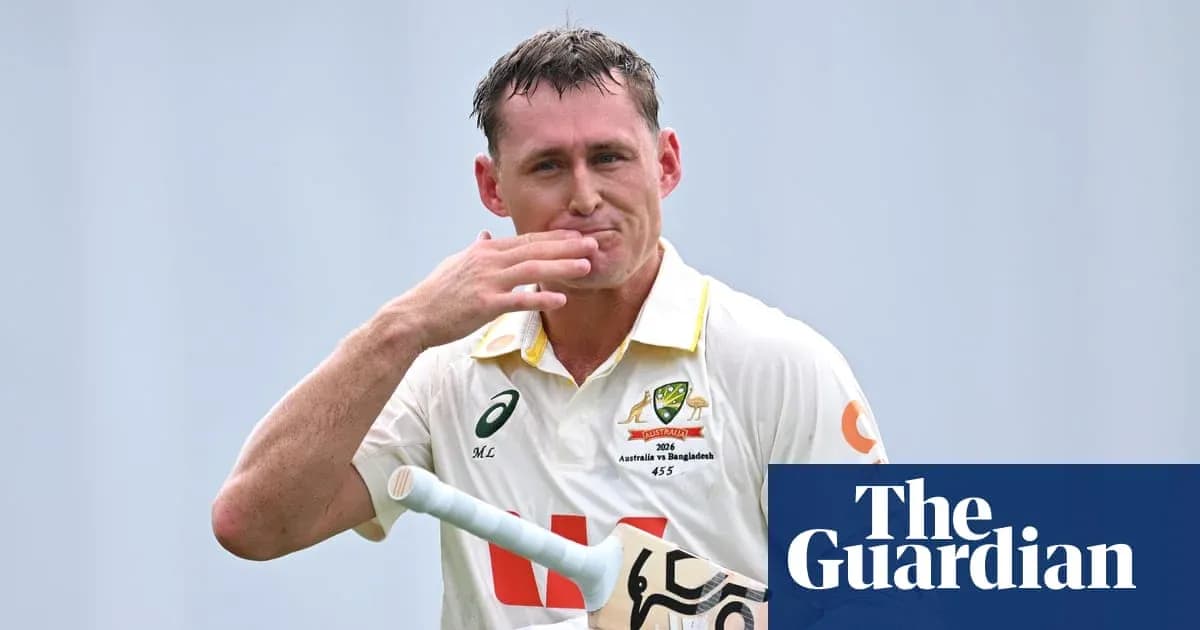
Marnus Labuschagne’s once-soaring international career has hit a brutal crossroads, with the batter axed from Australia’s ODI squad even as selectors insist his Test future is still alive.
The 32-year-old, crowned the ICC’s No 1 Test batter as recently as 2023, has been left out of the white-ball touring party for Zimbabwe and South Africa – a squad picked squarely with next year’s ODI World Cup in mind. For a player who once looked immovable in all formats, the omission lands like a warning shot.
ODI door shuts – for now
Australia will play six ODIs across Zimbabwe and South Africa later this month, the key building block for a World Cup campaign in the same region late next year. When selectors named a 17-man group for the tour, Labuschagne’s name was missing. He was one of five players cut from the XI that faced Bangladesh in Australia’s most recent ODI back in June.
George Bailey did not dress it up. This was a one-day decision, pure and simple.
“It was a one-day cricket conversation, this is a pretty important tool for us,” the chair of selectors said. Zimbabwe and South Africa are not just another stop on the calendar; they are the dress rehearsal for a World Cup. With limited games to shape roles and combinations, the panel has chosen to invest in others.
“Marn, again, he’s played some really important one-day cricket for us at his best. That looks a certain way. But the way that squad and team is structuring up, there just wasn’t space for him.”
The message is stark. Labuschagne’s best is acknowledged, but right now others fit the blueprint better.
Test status: fragile, not finished
Bailey was at pains to separate formats. Dropped from the ODI squad does not, he stressed, mean discarded from the Test set-up.
His red-ball standing, though, is nowhere near as secure as it once was. Labuschagne’s numbers tell the story. After topping the Test batting rankings in 2023, he has averaged under 30 in the format since then. In the latest ICC update, he has slipped to equal 38th.
Last summer’s Ashes were a grind rather than a statement: an average of 25 across the series. The Tests against Bangladesh brought scores of 1, 31 and 4. For a player who once churned out hundreds almost by habit, the production line has slowed dramatically.
He had already found himself on the fringes before the last home Ashes, only clawing his way back into the side with a strong start to the Sheffield Shield season. This time, that safety net isn’t there. With the Test squad for South Africa to be named later this month, Labuschagne will not have the chance to press his case for Queensland before the selectors make their call.
Bailey admitted the panel is still piecing together that touring party ahead of the first Test on 9 October.
“It’s just about not having to make a decision until you need to make a decision,” he said, outlining a process that hinges on conditions, fitness and balance. The selectors are poring over what sort of wickets they might encounter in South Africa, how the surfaces will play, who is fit enough, and how many players and roles they can realistically cover.
In that shifting puzzle, Labuschagne is no longer an automatic tile.
Youth movement gathers pace
While one established name falls away from the ODI frame, two emerging ones are being nudged towards the spotlight.
Oliver Peake, the 19-year-old Victorian left-hander who became the youngest specialist batter to debut for Australia’s ODI team earlier this year, has retained the faith of the selectors. So has Joel Davies, the 22-year-old NSW allrounder who made his international bow in the T20s against Bangladesh in June.
Bailey was effusive about both.
“For Ollie and Joel, who we rate very highly, it’s another fantastic opportunity and a further chance for them to continue their exposure and growth in the Australian team.”
The subtext is clear. Australia are not just tinkering; they are actively stretching the next generation in meaningful series, in the very conditions where a World Cup will be staged.
A career at a turning point
Labuschagne is not finished. Not yet. His Test pedigree still carries weight in the selection room, and his name will feature in the discussions that shape Australia’s top order for South Africa.
But the landscape has changed. The player who once symbolised Australia’s batting resurgence now finds himself waiting, watching, and hoping that the selectors’ “final pieces of the puzzle” fall in his favour.
If they do not, the next chapter of his international story may have to be written from the outside looking in.