Matt Renshaw's ODI Century and New Role at No. 6
Matt Renshaw has waited a long time for this feeling.
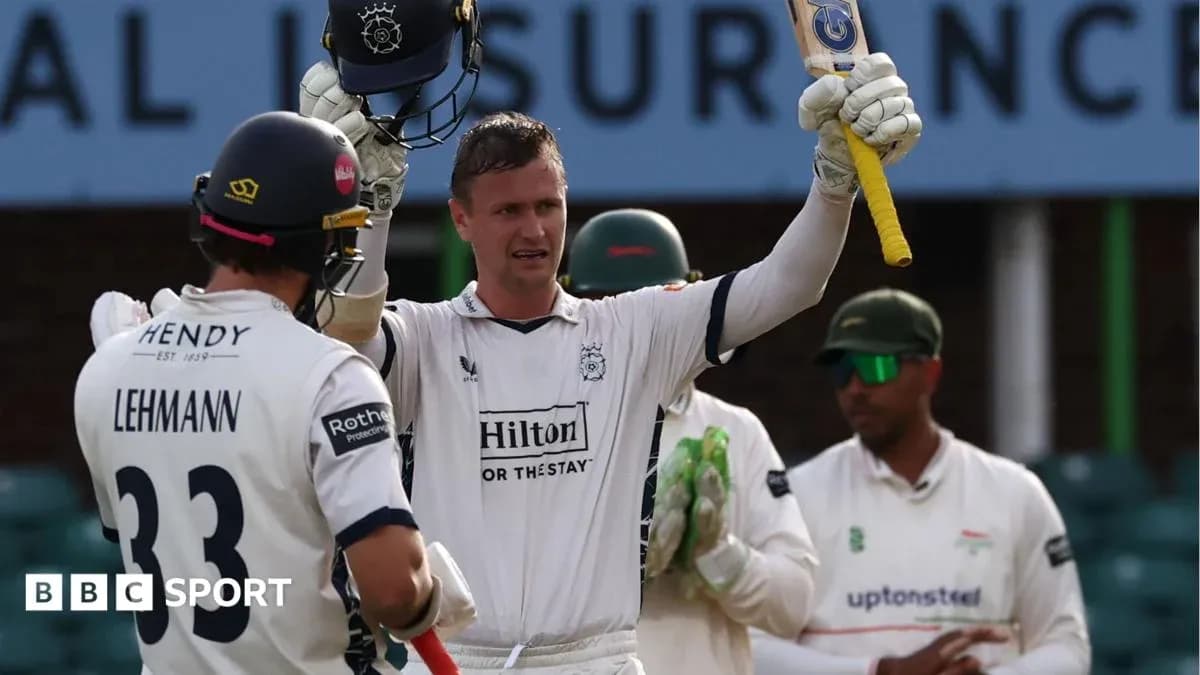
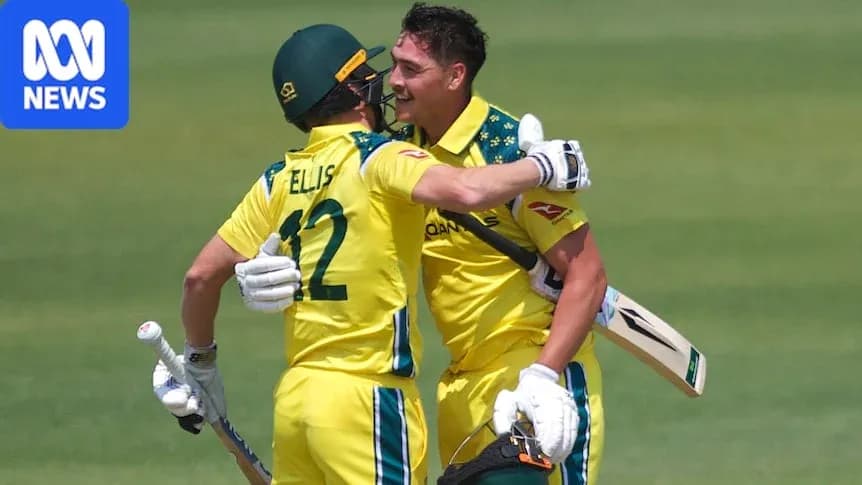
Seven years on from his maiden Test hundred at the SCG, the left-hander finally raised his bat again in Australian colours, carving 109 from 94 balls in Harare as Australia brushed aside Zimbabwe by 59 runs in the first ODI of the series.
The twist? He reckons it might never have happened if he’d been opening.
A different role, a different Renshaw
Renshaw walked in at No. 6, not with the new ball hard and hissing past the bat, but in the thick of the innings, when the spinners were into their work and the gaps in the field began to open.
That suited him perfectly.
“Higher up the order I [get] a bit giddy,” Renshaw admitted, a revealing line from a player long pigeonholed as a traditional opener. The freedom of the middle order stripped away the early-innings pressure and gave him something else: clarity.
He wasn’t chasing the shine. He was chasing spaces.
“For me, my tempo when I come in the middle overs is just trying to hit the gaps, hit where the fielders aren't,” he said. “With spin being a very big factor in that middle period … I see it as my strength. I really understood my role. It made it really simple for me.”
The innings reflected that mindset. No frantic lunge at the new ball, no fight to survive the first dozen overs. Instead, controlled aggression, sharp placement, and a tempo that never really felt out of his hands.
From SCG to Harare – a long road back
Renshaw’s previous international century came in very different circumstances: opening the batting in a Test against Pakistan at the SCG in 2017. Back then, he was the fresh-faced heir apparent at the top of the order.
The journey since has been anything but straightforward.
He drifted out of the Test side, spent three years watching others wear the Baggy Green, then forced his way back into the squad and into the XI. Last month in Mackay, he returned to the top of the order in style, opening in Australia’s innings victory over Bangladesh.
White-ball cricket, though, has told a different story. Before Harare, Renshaw had played nine ODIs, mostly shuffled down the list, still searching for a defining score.
He found it here, not by reinventing himself, but by leaning into what the role demanded: composure against spin, manipulation of the field, and an understanding that not every match-winning innings has to start at 0.1 overs.
Spin, space and simplicity
Zimbabwe’s attack leaned heavily on spin in the middle overs. That’s where many batters stall. Renshaw went the other way.
He picked off singles, threaded twos, then cashed in when the bowlers missed. The scoreboard kept ticking, the strike-rate climbed, and the innings built in layers rather than bursts.
The pressure eventually told on Zimbabwe, not in one explosive over, but in the slow squeeze of a batter who knew exactly where he wanted the ball and exactly where he wanted to send it.
Australia rode that 109 to a commanding total and, ultimately, a comfortable 59-run victory to open the three-match series.
Test recall and a South African test to come
This hundred comes at a significant moment in Renshaw’s career. He has already been named in Australia’s Test squad for the upcoming tour of South Africa, a three-match series that will test both temperament and technique.
Australia will face the Proteas in Durban from October 9-13, then Gqeberha from October 18-22, before the tour closes in Cape Town from October 27-31. Conditions there will be very different from Harare, the challenges more severe, the scrutiny sharper.
For now, though, Renshaw has something tangible to carry with him: proof that his game travels, that he can adapt, and that his value to Australia stretches beyond the traditional opener’s brief.
The next ODI against Zimbabwe comes on Friday in Harare. Another chance for Renshaw to show that this was not just a long-awaited hundred, but the start of a new chapter in how – and where – he bats for his country.