Pakistan Cricket: Gohar Shah's Bold Critique of Systemic Issues
The knives are out in Pakistan cricket again. This time, one of the sharpest comes from inside the system.
The Pakistan Cricket Board’s dramatic cull of players and coaches during the England tour has triggered a wave of backlash, and Multan Sultans CEO Gohar Shah has stepped squarely into the storm. The 31-year-old administrator, who has played first-class cricket himself, used a lengthy post on X to lay bare what he sees as deep-rooted problems across the national setup.
His timing was no coincidence. The PCB had just released seven players from the Test squad ahead of the third Test at Edgbaston on September 9, after heavy defeats at Lord’s and in the series opener. Pakistan lost the first Test by an innings and 103 runs, then folded again as England took the second by 194 runs. The axe swung hard.
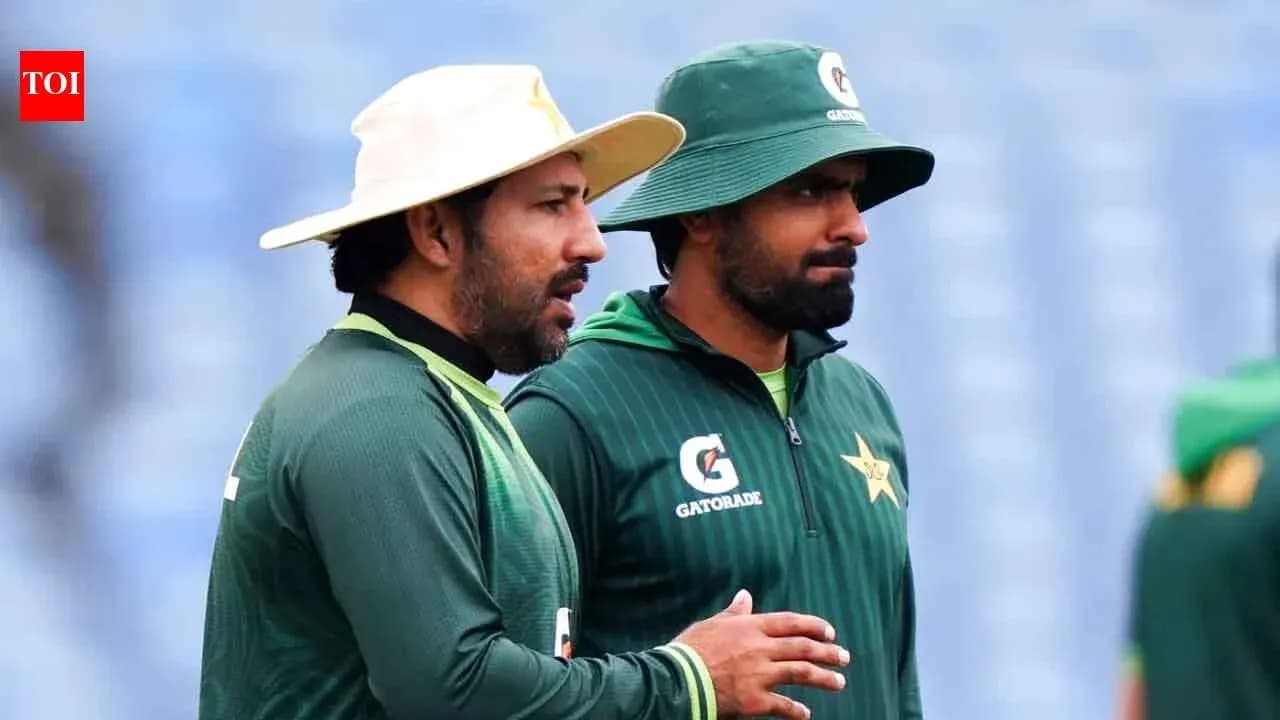
Mohammad Rizwan, Imam-ul-Haq, Salman Ali Agha, Ali Usman, Aamer Jamal, Awais Zafar and Khurram Shahzad were all dropped from the Test squad. In the dressing room hierarchy, the shake-up was just as ruthless. Former captain Sarfaraz Ahmed was removed as head coach, while Umar Gul lost his role as bowling coach. White-ball head coach Mike Hesson and bowling coach Ashley Noffke were drafted in to oversee the rest of the tour.
The message from the PCB was clear: change, and fast. Shah’s message was different: the problems run far deeper than a team sheet.
This may land me in hot water
Shah opened his post with an admission that he knew exactly what he was walking into. “This may land me in hot water but I owe an honest assessment to Pakistan cricket. I was a fan before I was a stakeholder,” he wrote, framing his criticism as something he felt compelled to voice rather than a convenient shot from the sidelines.
Drawing on his own brief playing career and his experience inside Pakistan’s premier T20 competition, he said his views came from “playing days + actively being involved with the PSL, dressing room and PCB leadership.”
From there, he went straight for the players’ professionalism. Diet. Workload. Attitude. The basics.
“Late nights and junk food are common,” Shah wrote, acknowledging the grind of long tours but insisting that the word “professional” has to carry weight. For him, it doesn’t at the moment.
He then turned to what he sees on the field, particularly in the longest format. The criticism was blunt. “No one wants to do the tough yards. It’s a mentality thing,” he wrote, pointing to moments in the recent Tests when fast bowlers, after long spells, did not even chase the ball to the boundary. His question cut through: “What are you saving your legs for? The test match ended in 2.5 days…”
For Shah, that image — bowlers turning away as the ball runs to the rope in a match that barely lasts three days — summed up a mindset problem that no selection reshuffle can fix on its own.
Job first, Pakistan later
Shah did not stop with the dressing room. He widened his lens to Pakistan’s entire cricket ecosystem, and almost no one escaped scrutiny.
He accused sections of the media of pushing personal agendas and building narratives around players they favour or those “who cater for them more,” hinting at a culture of leaks, gifts and favours that shapes public opinion. In his view, that noise distorts the conversation around performance and accountability.
Former players came in for a different kind of rebuke. Shah drew a sharp line between those who have gone away, earned coaching badges and tried to work within the system, and those who, as he put it, find it “more comfortable to go on tv and just iterate the problems.” The complaint was clear: plenty of criticism, very few solutions, and even fewer willing to gain the qualifications needed to drive change from within.
Then came the board itself.
“The board is too bureaucratic,” Shah wrote, describing a culture where people are scared to speak honestly because they fear “backlash and their jobs.” According to him, that climate stifles initiative. Those who come in wanting to help, he said, eventually watch their efforts go nowhere, give up the fight and “just settle for their paycheck.”
It was a damning picture: players not pushing hard enough, commentators content to talk rather than act, administrators paralysed by fear.
PSL structure under the microscope
Shah also turned his attention to the Pakistan Super League, a competition often hailed as one of the PCB’s biggest success stories. From a franchise owner’s perspective, he argued, the incentives are skewed.
He highlighted the 10-year lease model, under which franchises invest in building brands that, in the end, revert to the PCB. “You grow the brand, only to give it back to the PCB. So why would you grow if you see none of the benefit? Only the bills,” he wrote, questioning why owners would pour long-term resources into something they do not ultimately control.
He then took aim at retention rules and category changes. According to Shah, franchises invest in players and talent hunts only to lose them because of regulations that are “agenda driven.” For teams trying to build continuity and reward their own scouting, those shifting rules feel like a moving target.
In his telling, even where money and interest are strong — the PSL — the structure still leaves those on the front line feeling short-changed and powerless.
Criticism with a heartbeat
For all the bluntness, Shah’s post did not read like someone washing his hands of the mess. It ended on a note that has echoed through Pakistan cricket for decades: hurt pride, and stubborn hope.
“Pakistan cricket will always be in my heart,” he wrote, before adding a plea that sounded as much like a challenge as a prayer. “Pray for us to go back to being the best. Not just good or competitive, but the best.”
The PCB’s overhaul in England has already changed faces and roles. Shah’s words ask a harsher question: is anyone ready to change the culture that sits beneath them?