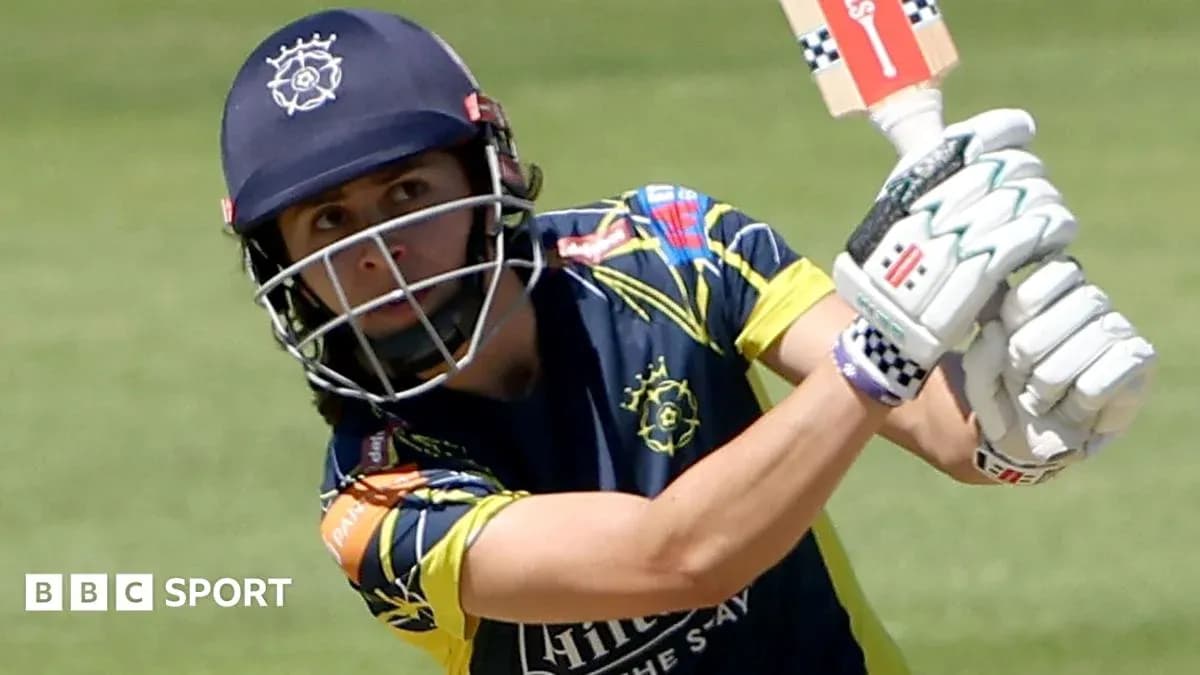
Renshaw’s Comeback Ton and Ellis Five-for Lead Australia to Victory Over Zimbabwe
Matt Renshaw waited seven years for another international hundred. When it finally came, it arrived in a format he had almost written off.
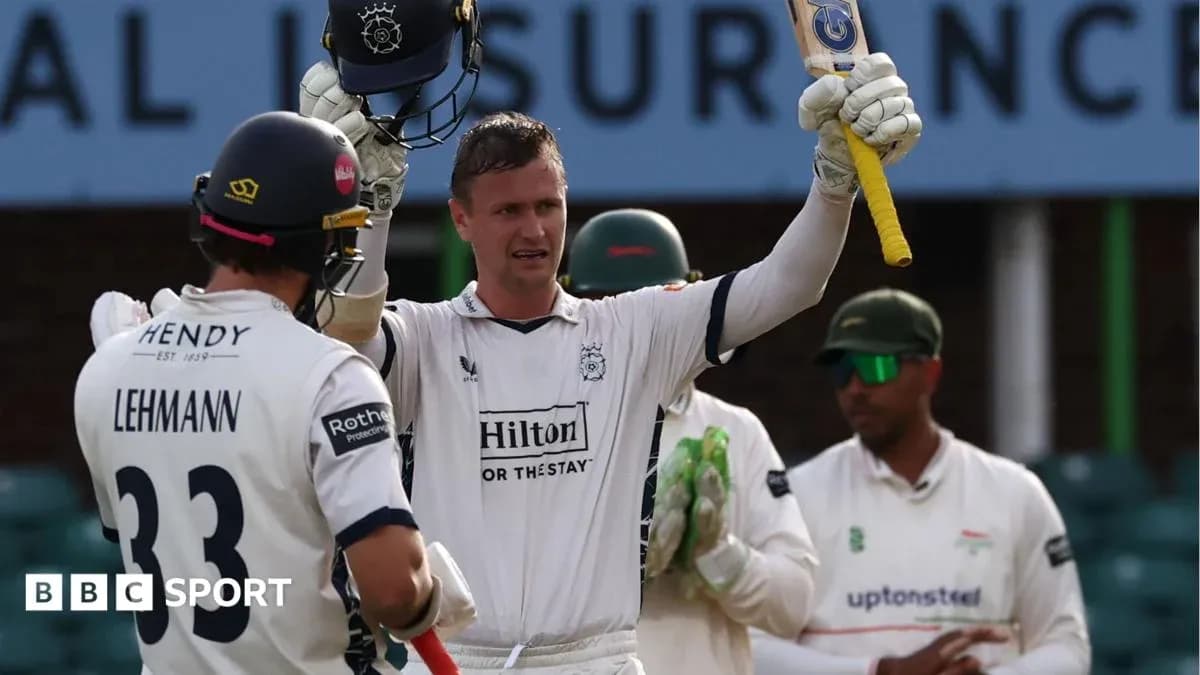
On a bright Harare afternoon, the left-hander carved out a composed, often commanding 109 to anchor Australia’s 294 for 8, before Nathan Ellis sliced through Zimbabwe with a ruthless five-wicket haul to seal a 59-run win in the opening ODI at Harare Sports Club.
It was Australia’s day from the moment Mitchell Marsh made what looked like a bold call at the toss and chose to bat on a surface that often eases under lights. By the time Zimbabwe’s chase ended on 235 in 45.1 overs, that decision looked like a statement.
Renshaw owns the stage
Renshaw’s last international century had come in whites, against Pakistan in 2017. His return to the spotlight here felt like a different chapter entirely.
He walked in with a platform to build on and batted like a man determined not to waste it. Early on, Cooper Connolly’s fortune helped Australia settle; the young left-hander survived a handful of chances before finally losing his stumps to Zimbabwe captain Sikandar Raza for 51. The dismissal could have checked Australia’s tempo. Renshaw made sure it didn’t.
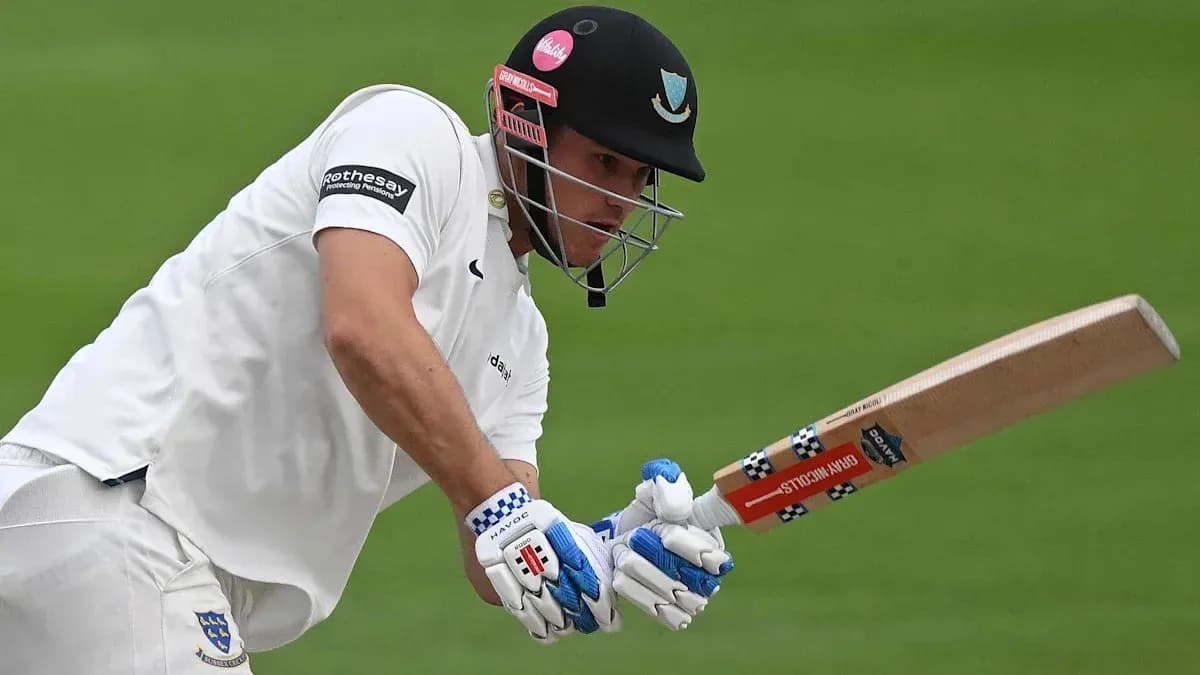
He worked the angles, picked off the gaps, and refused to let Zimbabwe’s attack dictate terms. The innings never exploded into chaos, but it never drifted either. It was the sort of hundred that quietly bends a game in one direction.
Renshaw found willing allies. With Alex Carey, he added 72 for the fifth wicket, a partnership that rebuilt and then pressed on. When Carey departed, Ollie Peake joined him and the pair stitched together 75 for the sixth wicket, nudging Australia towards a total that began to feel more than competitive.
By the time Renshaw walked off with 109 to his name, Australia had pushed Zimbabwe’s required rate to 5.90 an over. On this ground, with this attack, that felt heavy.
He knew what the day meant. “I didn’t think I was going to play one-day cricket [for Australia],” he admitted afterwards. “Playing any cricket for Australia is awesome. I’m taking it seriously, obviously, but also trying to enjoy it. I know that I play my best when I’m relaxed. Whatever happens, happens.”
Relaxed on the outside. Relentless on the scoreboard.
Nyamhuri’s breakout, but Australia still pile up
For Zimbabwe, the brightest light with the ball was a 20-year-old. Newman Nyamhuri, the left-arm quick, refused to be overawed by the occasion or the opposition.
He kept coming, attacking the stumps and the edges, and finished with 5 for 62 – only the second Zimbabwe bowler ever to claim a five-wicket haul in an ODI against Australia. On another day, in another chase, that might have been a match-shaping performance.
Here, it felt like resistance rather than control. Australia kept finding ways to reset after each breakthrough, nudging the total towards 300 and forcing Zimbabwe into a chase that always looked one or two wickets away from trouble.
Ellis crushes the chase
Zimbabwe’s reply began in a blur of anxiety. Early wickets tumbled, the top order slipping into disarray before the innings had a chance to breathe. Four down in a hurry, the hosts needed calm, and they found it in Craig Ervine and Sikandar Raza.
The pair stitched together a 98-run stand that changed the mood in the ground. Suddenly, the ball was skimming across the outfield, the scoreboard ticking, and the pitch behaving just as history suggested it would: truer, kinder, better for batting as the day wore on. Hope crept in.
Then Ellis came back.
He had already struck twice in his first spell, probing on a tight line, but his second burst broke the game open. It took him just three balls to knock back Ervine’s stumps for 59, a clinical, full delivery that cut through Zimbabwe’s resistance and momentum in one hit.
The pressure returned, this time with a sharper edge. Raza, who had fought his way to 57 and carried much of Zimbabwe’s belief with him, then fell to Spencer Johnson, yorked and gone. With that, the chase sagged.
Ellis did not let it linger. He ran through the tail with cold efficiency, finishing with 5 for 31 in 9.1 overs. Every time Zimbabwe tried to stretch the game, he shortened it.
Zimbabwe showed fight, no doubt. They battled to 235, refused to fold after the early collapse, and at one point hinted at something more dramatic. But the gap between hope and reality never quite closed.
Harare holds its breath for the sequel
The series now moves quickly. The second ODI arrives on Friday, the third on Sunday, both again in Harare. Australia will then head south for a similar three-match run against South Africa, armed with a top-order hundred, a searing five-for, and a captain whose call at the toss has already framed the tour.
Zimbabwe, meanwhile, know they weren’t blown away. They were beaten by a hundred that refused to loosen its grip and a seamer who never lost his. The question now is simple: can they turn that defiance into a win before Australia leave town?