Sanju Samson's Statement Knock in T20 Against Afghanistan
At the Arun Jaitley Stadium, Sanju Samson’s answer to months of doubt hung in the Delhi night for a split second too long.
Mohammad Nabi shuffled left at long-off, sprung just enough, and cupped the ball inches inside the rope. One more stride and Samson’s lofted hit would have sailed for six. Instead, Nabi signalled the catch, Rashid Khan checked the feet, and once the green light came, Afghanistan’s premier spinner wheeled away in celebration of his second wicket of the over.
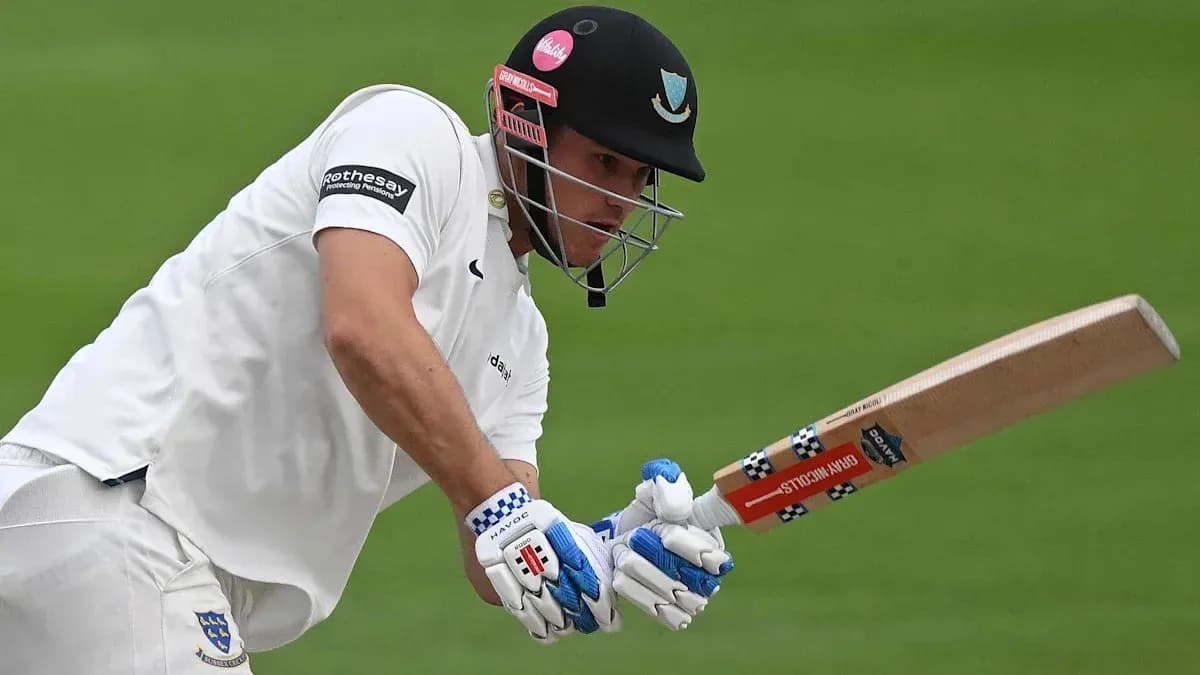
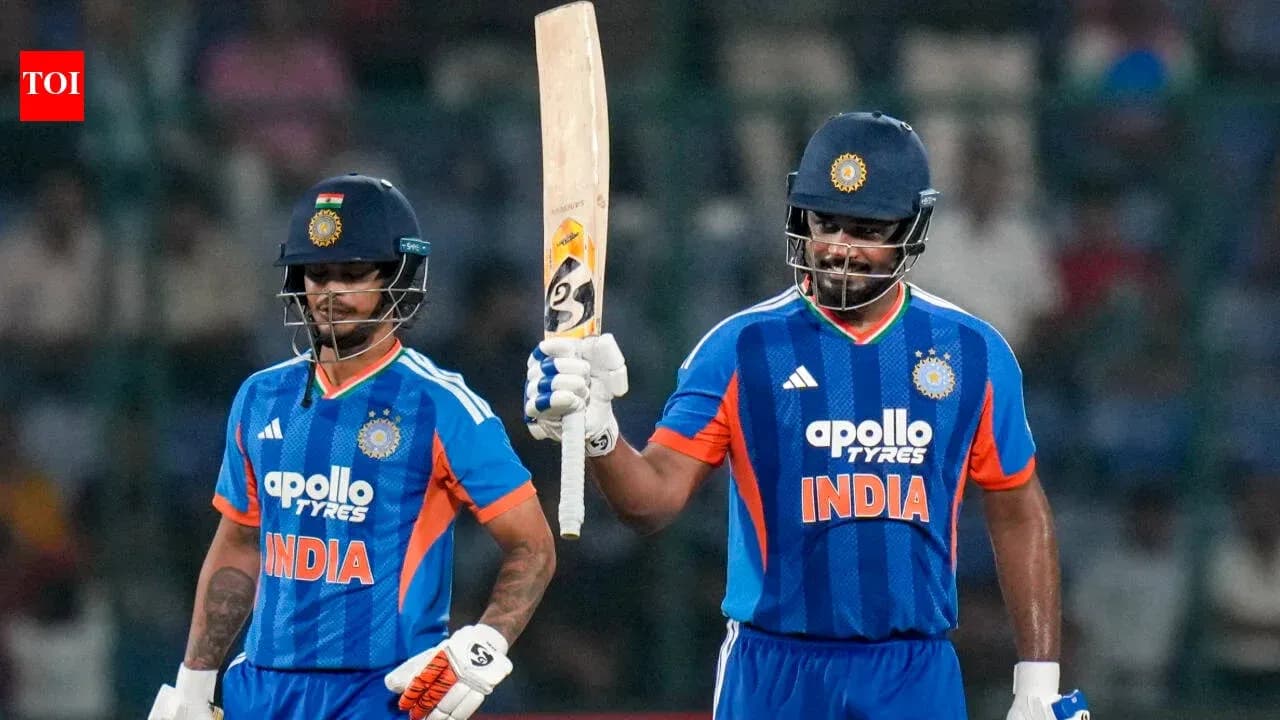
Samson turned and walked off, 57 from 22 balls to his name. Seven fours. Four sixes. Fifty-two of those runs in boundaries. One loud, defiant message.
A knock with an edge
For Samson, this wasn’t just another flashy T20 cameo. It was a statement in a long-running game of musical chairs with Vaibhav Sooryavanshi, a battle in which he has often seemed the one left standing when the music stops.
Fresh from a stellar T20 World Cup, where he played a major role in India lifting the trophy, Samson found himself dropped after a poor outing against Ireland. Sooryavanshi came in, didn’t quite ignite on debut, and Samson was recalled for the last two T20Is against England. Then came Zimbabwe, and with it another twist: Sooryavanshi went berserk, finished as Player of the Match, and tightened his grip on the conversation.
So when the Afghanistan series began and Samson walked out to open with Abhishek Sharma, not Sooryavanshi, the selection call split opinion. He scratched his way to 10 in the first game. In New Delhi, he detonated.
Azmatullah Omarzai and Nabi absorbed most of the damage. Omarzai disappeared for 23 off 10 balls to Samson; Nabi leaked 22 from seven. The numbers told one story. The manner of the hitting told another.
Samson did what he so often does when he’s in rhythm: he made clearing the in-field look routine.
Omarzai overpitched to start the fifth over; Samson drove him straight back over mid-on. The next ball, short and drifting down leg, was picked up and launched over fine leg. Omarzai went fuller again, only to watch Samson carve him over cover, one bounce into the hands of the volunteers on the boundary edge.
The final ball of that over summed up the mood. A low full toss, Samson showed the full face of the bat, hit it so cleanly he knocked over the non-striker’s stumps on the follow-through, and still beat the fielder for four. When even the stumps at the other end are in danger, the bowler usually is too.
Even Rashid Khan, Afghanistan’s problem-solver, felt the heat. Samson took him for a four and a six, forcing the leg-spinner and his teammates into a rare collective sigh of relief when the miscued lofted shot finally found Nabi.
‘You face a lot of noise’
Samson spoke with a calm that belied the chaos he had just inflicted.
"It’s about just watching the ball and trying to get maximum out in the powerplay. Sometimes it works out well, sometimes it doesn’t. After a few failures, you definitely go through a lot. Being an Indian cricketer, it’s not easy to face failures, but that’s where my experience comes in," he said later.
He knows the cycle by now: a lean patch, the scrutiny, the questions about temperament and consistency, the queue of challengers behind him.
"I try to shut out the noise, try to be confident and come out and still keep scoring at a high strike rate, even taking the chances, even knowing that if I fail again, I will be facing a lot of noise. But I think that’s the way we are built here in Indian cricket. I just go out there and try to score maximum and contribute."
On television, the debate raged in parallel. Kris Srikanth argued Sooryavanshi "wasn't being treated properly." R Ashwin urged those in charge to "understand his position." The subtext was clear: in this batting order, there might not be room for everyone.
Samson, though, sees the other side of that equation.
Inside the selection squeeze
"It’s a very challenging place to be in. Right from the whole team management, the captain, coach and selectors. It’s a very tough choice, actually. All of them (himself, Sooryavanshi and Abhishek Sharma) are really good, all of them are performing, and all of them have to be given the right opportunity to keep performing at the international level," he said.
He speaks with the authority of a man who has been there before and who leads an IPL franchise, where the same calls must be made, often brutally.
"It’s a very tough decision. I totally understand. I lead an IPL franchise, so I know how hard these decisions are, and everyone has been performing really well."
That experience has hardened him, but it has also shaped his outlook.
"I have been in this kind of space for quite a few years, so I just know how to balance it out. Just think about what is in my control and try to be very positive with your competitors as well.
"I think they are competitors for the outside world, but we are a team and we are playing for a country. We want to win the game first, and then it comes down to the other individuals.
"We try to be as positive as possible, and whoever is playing, we want them to do well. We just have to be ready for our own opportunity. We can’t sulk or be in a negative frame of mind, thinking, 'Yaar, mujhe nahi mila, usko kyun diya?' Those kinds of mindsets don’t work here."
The words carried weight because the bat had spoken first.
For now, Samson has wrestled back control of a narrative that kept threatening to slip away. He has not ended the debate with one blistering night in New Delhi, but he has forced it to pause and think.
The question now is not whether he can play this way. It’s how long the selectors are willing to let him keep proving it.