Sonal Dinusha's Grit Saves Sri Lanka from Follow-On Defeat
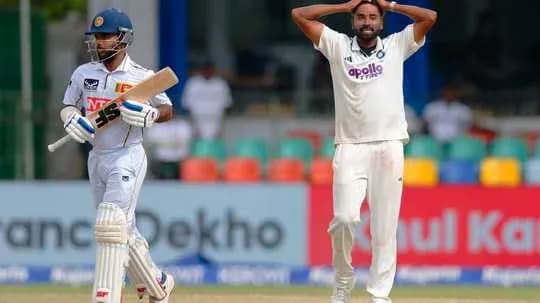
Sonal Dinusha walked off the SSC outfield with his bat raised and his shirt soaked, not in triumph, but in something just as valuable for a side staring at humiliation: survival.
Across seven hours in Colombo, the left-hander turned what looked like a formality into a blockade. Unbeaten on 133, he dragged Sri Lanka from the brink after a follow-on to deny India a clean sweep and snap a remarkable streak: for the first time in nine attempts, India failed to win a Test against Sri Lanka after enforcing the follow-on.
This was not a classic chase or a thrilling last-over finish. It was something slower, grittier, and just as compelling.
A day that refused to move
India arrived on the final morning needing only four wickets. A worn pitch, a fresh ball, and a bowling attack stacked with variety. On paper, it looked a matter of when, not if.
The pitch, though, had its own ideas. There was turn, but it was steady, almost honest. Pace and bounce stayed predictable. It meant Sri Lanka could trust the surface if they trusted their technique.
Overnight pair Sonal Dinusha and Keshara Nuwantha did exactly that. They dug in, absorbed the new ball, and drained the urgency out of India’s plans. The new ball was taken within half an hour, but instead of sparking collapse, it only hardened Sri Lanka’s resistance.
The seventh-wicket stand grew, quietly and stubbornly. Run by run, over by over. By the time it was finally broken, it had swelled to 88 and chewed through more than 40 overs. It did more than just stall India. It wiped out the first-innings deficit and flipped the psychological pressure.
India still believed. But they were now chasing time as much as wickets.
Suthar’s opening, Jadeja’s strike
The breakthrough came just after lunch, a reminder that quality spin can still crack the most patient defence. Manav Suthar, who had been probing without reward, ripped one in sharply. Nuwantha pushed, edged, and second slip did the rest.
India surged again. The field closed in. The noise rose. Sri Lanka, once more, teetered.
Prabath Jayasuriya, more known for his left-arm spin than his batting, tried to hang in. He lasted 28 balls, long enough to frustrate, not long enough to break India. Ravindra Jadeja found his outside edge with a ball that demanded a shot and punished it, Dhruv Jurel taking a neat catch at second slip.
With two wickets left, a lead nudging past 150, and nearly a session and a half still to play, India had the game right where they wanted it. One burst, one spell, and they could be walking off with another win and another follow-on success.
Dinusha had other plans.
Dinusha and Kumara shut the door
Enter Lahiru Kumara. Not a man you associate with stonewalling. A fast bowler by trade, a tailender by stereotype. But on this day, he became exactly what Dinusha needed: a partner who refused to give his wicket away.
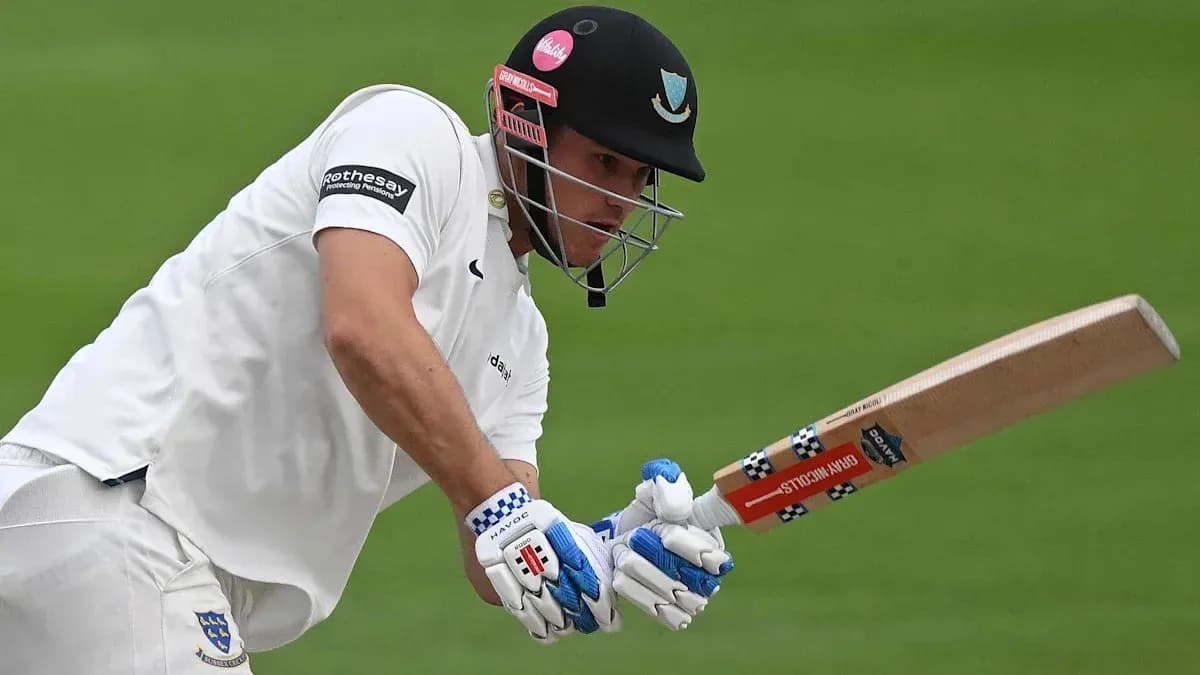
Dinusha, a study in concentration, kept his game simple. He trusted his defence, picked his moments, and used the sweep to disrupt the spinners. The sweep became his release shot, his way of turning good balls into manageable ones and keeping the close catchers guessing.
Kumara followed his lead. He didn’t look pretty, but he looked committed. The pair settled into an attritional rhythm, batting not just against bowlers, but against the clock, the narrative, and the weight of India’s expectation.
They faced 169 deliveries together. Only 47 runs came from them, but every one of those balls was a small act of defiance. As the overs ticked away, the urgency began to seep from India’s fields and into their faces.
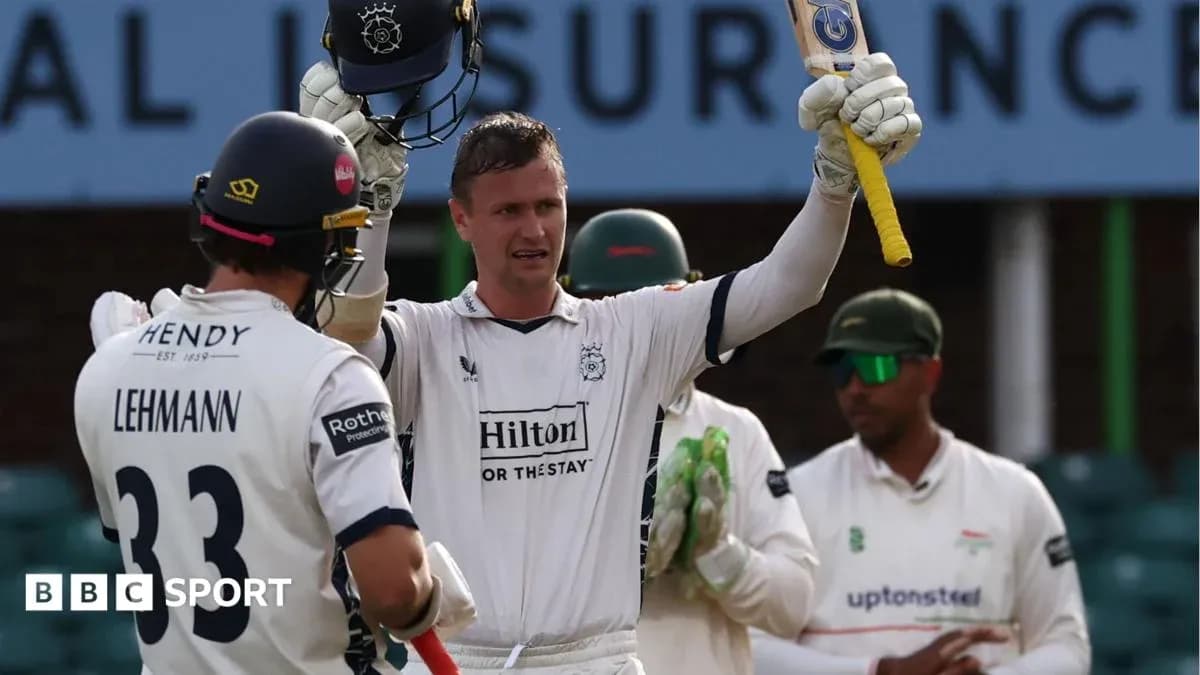
In that grind, Dinusha reached his hundred. No wild celebration, just a measured acknowledgement in keeping with the innings. He had started the day as a man trying to delay defeat. By the time he raised his bat, he was the one dictating terms.
Kumara almost cracked. Soon after Dinusha’s century, he went for a slog sweep that hung in the air and dropped in front of Jurel at deep midwicket. It was the kind of half-chance that can change a day. India couldn’t take it. They would not get many more.
Eventually, Kumara’s resistance ended on 12, an inside edge looping to Yashasvi Jaiswal at short leg. India had their opening, but not their window. Too many overs had slipped by. Too much control had been ceded.
A lone figure at the finish
From there, Dinusha simply saw it out. No rush, no panic, no invitation to drama. He shepherded the tail, picked off what he could, and left nothing loose enough to tempt India into one last surge.
As the overs dwindled, so did the belief of the fielding side. The close catchers retreated. The shouts lost their edge. The sense of inevitability shifted – not towards an Indian win, but towards a Sri Lankan escape.
When stumps were finally drawn, Dinusha was still there, unbeaten on 133, the scoreboard telling a simple story: Sri Lanka had saved the Test, and with it, avoided a whitewash.
For India, it will sting. A follow-on enforced, four wickets needed on the last day, and a record of eight wins from eight in similar situations against Sri Lanka now blemished. They did plenty right across the match and the series, but in Colombo, on this final day, one man’s patience and one partnership’s stubbornness proved enough to halt them.
For Sri Lanka, this was not a victory. It might feel like one. And for Sonal Dinusha, it may just be the innings that changes how the cricketing world speaks his name for the rest of the season.