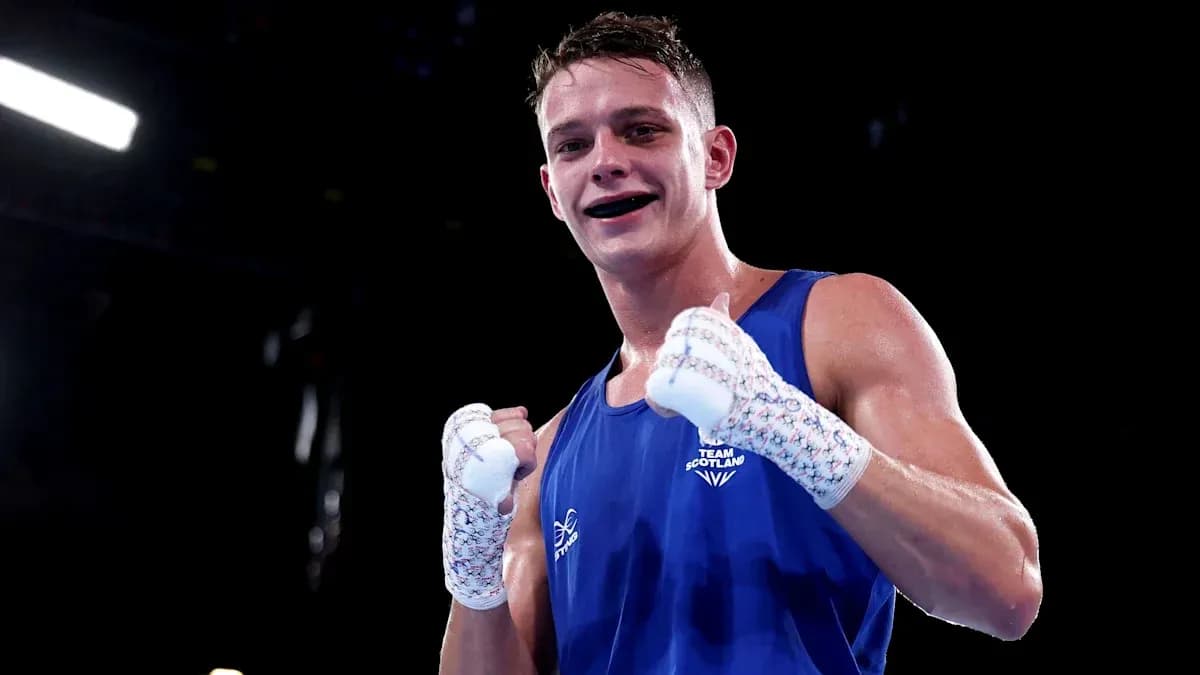
Sonny Kerr: From Bronze in Glasgow to Olympic Dreams
Sonny Kerr stands on the kind of crossroads every young fighter dreams of and dreads at the same time.
On one side, the paid ranks: bright lights, big purses, the fast track to celebrity. On the other, the long, unforgiving road of amateur boxing, where the rewards are rarer, but one prize towers above the rest – the Olympic Games.
For now, the 21-year-old from Aberdeen is turning his back on the obvious temptation.
Bronze in Glasgow, eyes on Los Angeles
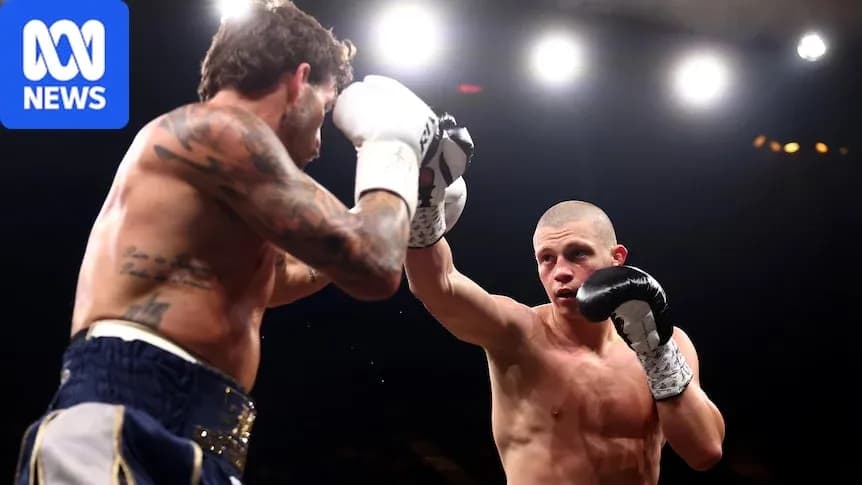
Kerr announced himself to a wider audience at last month’s Commonwealth Games in Glasgow, battling his way to bronze in the 70kg division. It was his first taste of a truly major stage on home soil, the kind of arena that can rattle even seasoned professionals.
He didn’t crumble.
“The biggest stage I have been on,” he admitted, but he spoke of composure, not nerves. The crowd, the noise, the expectation – he absorbed it all and kept punching.
That medal has sparked the usual questions. Is it time to cash in? Time to turn professional and test himself under the harsher lights of the pro scene?
Kerr hears it. He feels it. He’s honest enough to say so.
“There is a temptation to go professional of course if certain things align,” he said. For a 21-year-old with a Commonwealth medal and a growing reputation, that temptation is real.
Yet his gaze is fixed on a different ring.
The pull of the Olympic dream
Kerr is currently the only Scottish boxer on the GB Olympic programme, a rare status that carries both pressure and opportunity. As part of the GB Academy squad, he spends long stretches in Sheffield, grinding through the kind of sessions that break some and shape others.
“It is a hard programme to get on to, only the best get on,” he said. He has no intention of stepping off it lightly.
The target is clear: Los Angeles, 2028.
“The LA cycle is something I would like to stay on for and try and qualify for because that is once in a lifetime stuff really – to be an Olympian.”
That is the calculation. A professional contract might come now. The Olympics may never come again. Kerr knows which risk he is willing to take.
“I don’t want to peak at this,” he said of his Glasgow bronze. “I want to keep really levelling up now.”
Built on graft, not hype
Nothing about Kerr’s rise suggests a shortcut. He is already a three-time Four Nations Elite champion, and he has done it at three different weights. That versatility hints at a fighter still growing, still discovering what his best version looks like.
“I have just kept plugging away and now hopefully I can reap the rewards,” he said.
The rewards have not always arrived. He talks openly about “a lot of years, a lot of fights that haven’t gone my way in the past”. Those setbacks have hardened him, not hollowed him out.
When the breaks finally started to fall his way, he refused to chalk it up to luck alone.
“When you do start to get a little bit of luck, and things go your way, you know it is for a reason so that gives you a confidence in itself.”
That blend of realism and self-belief is exactly what a fighter needs when he is chasing a dream as unforgiving as Olympic qualification.
Big names, bigger standards
Kerr is under no illusions about the path ahead. He talks about “big boots” to fill, and he names them: Josh Taylor, Anthony Joshua, Luke Campbell. Men who came through the same system, wore the GB vest, and turned Olympic pedigree into major professional careers.
He does not claim to be at their level. Not yet. But he dares to place himself on that road.
Being part of the GB set-up is one thing. Forcing his way into the final Olympic squad is another. Training in Sheffield, he lives with that distinction every day.
Glasgow gave him a taste of the pressure. Boxing at a major games, in Scotland, with “all the eyes” on him, was a test of temperament as much as technique. He believes he passed it.
“I thought I was quite composed, I didn’t let it affect me,” he said. The frustration, instead, comes from the colour of the medal. Bronze is a breakthrough, not a destination.
That edge of dissatisfaction might be his greatest asset.
Kerr leaves Glasgow with a podium finish, a sharpened sense of what it takes, and a decision made – not to chase the quick hit of the professional game, but to stay in the trenches of amateur boxing a little longer.
The pro route will still be there. The Olympics might not. The question now is simple: can Scotland’s lone man on the GB programme turn promise, patience and a bronze in Glasgow into a walk to the ring in Los Angeles?