Emilio Gay's Promising Test Innings Earns Cook's Approval
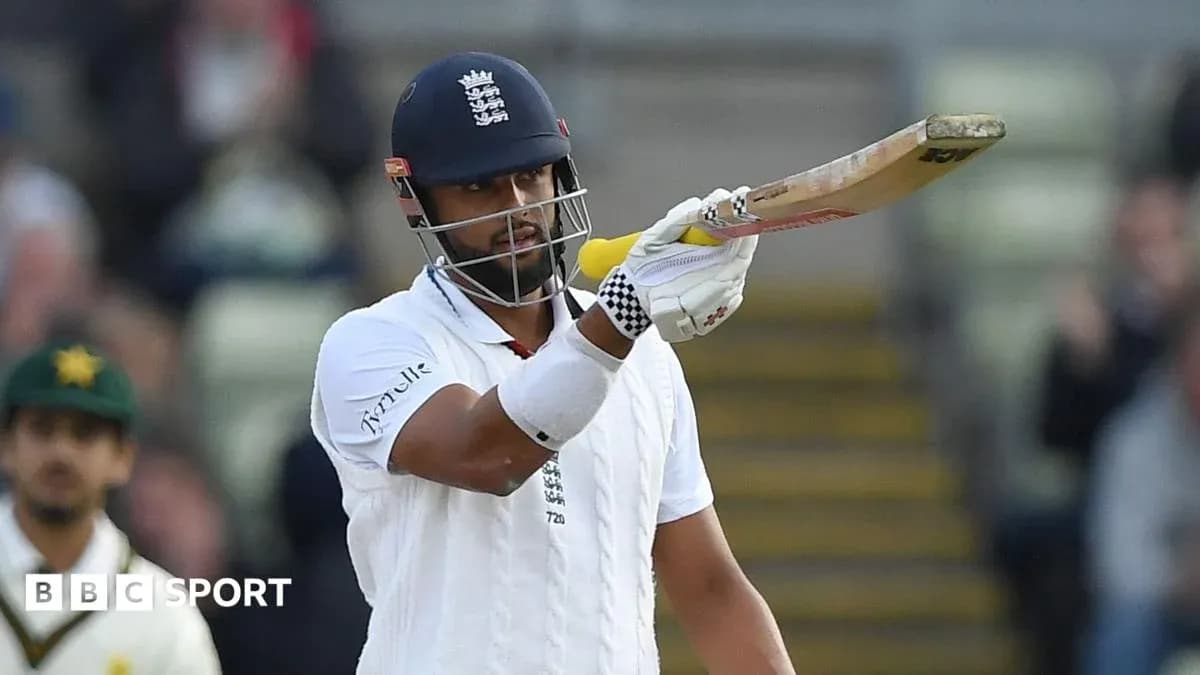
Emilio Gay walked off Edgbaston with only 60 to his name, but with something far more valuable tucked away: the approval of Sir Alastair Cook, the gold standard for English openers.
On a day when Pakistan’s seamers found swing, seam and just enough menace to expose any loose technique, Gay dug in. He faced 114 balls, made his Test-best score and, crucially, allowed England to seize control of a tricky first day. It was an innings built on denial as much as scoring – the kind Cook himself once made a career from.
Cook’s seal of approval
Cook has seen enough. The man who ground out almost 12,000 Test runs at the top of the order believes Gay should be on the plane for England’s winter tour of South Africa and, more than that, should open the batting there.
“I think Emilio Gay’s played really nicely. I would say he’s confident and intense,” Cook told Test Match Special, impressed by the 26-year-old’s stubborn streak. To Cook, Gay looks like a “run-getter when he gets in,” someone with the will to turn starts into something substantial.
In a summer where batters have been chewed up and spat out by the Dukes ball, that attitude matters. Across six home Tests, only Ben Duckett has reached three figures. Gay’s 261 runs at 26.1 will not leap off a scorecard, but context changes everything. This has been a season where survival at the top of the order is almost a skill in itself.
Cook sees a player worth investing in, especially with different conditions on the horizon. South African pitches, he noted, should be “slightly easier to bat on,” a place where the foundation Gay is laying now could start to bear heavier scores.
A method built on patience
The numbers behind Gay’s approach tell their own story. Since his debut against New Zealand in June, he has left or defended 61% of the pace deliveries he has faced, according to CricViz. Only Dom Sibley in 2020, at 68%, has bettered that figure among English openers in a home summer.
On Wednesday, Gay went even deeper into his shell when required, leaving or defending 65 balls. Cook, watching closely, liked what he saw: how late Gay defended, how he resisted the drive until the ball came into his zone.
He did not poke at temptation. He waited.
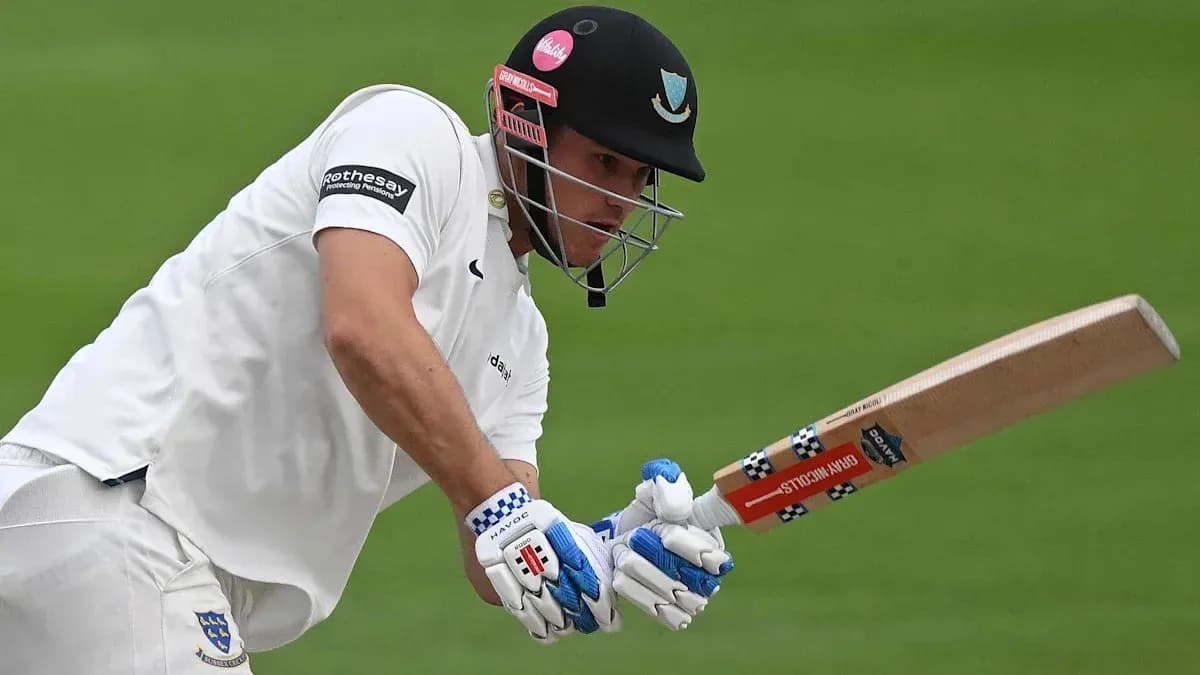
Gay’s half-century reflected that balance between caution and intent. His first 12 runs took 43 balls. The next 38 came off 52. Once set, he expanded. He struck nine fours and, tellingly, 68% of his Test runs so far have come in boundaries – the joint-highest proportion of any England batter with at least 250 runs in the format.
This is not a strokeless blocker. It is an opener who absorbs pressure, then hits back.
Cook picked out the range of scoring options as another reason to persist with him. Gay, he said, is “not hunting that drive too often,” but when it’s there, he takes it. He scores off the back foot through the off side, works the leg side, and times the ball beautifully through mid-wicket. It is, in Cook’s eyes, an all-round game, not a one-dimensional grafter.
A chance missed – and a lesson learned
Not everyone in the commentary box was entirely satisfied. Michael Vaughan admired the innings but could not help seeing the gap between 60 and what might have been.
“Emilio Gay found his balance early. He had it hard at the start and then he found his flow,” Vaughan said. Then came the sting. Dragging on against Razaullah Khan, late in the day, turned a commanding platform into a nagging regret.
“He’ll be really disappointed to get out for 60. He’ll be desperate to get his first Test match century and I thought it was on today. That extra little bit of pace from Razaullah and a little lack of concentration at the end of the day has cost him.”
That is the next step. England’s recent history is full of openers who got in, looked the part, and then drifted away when they could not turn 40s and 60s into match-shaping hundreds. Gay’s technique has impressed the greats; his temperament will now be measured in how often he goes on.
Work in the nets, reward in the middle
Inside the dressing room, there is no mystery about why Gay looks increasingly at home in Test cricket. Seamer Josh Tongue pointed straight at the hours no one sees.
“The one thing I’ve seen in Emilio is he trains really hard in the nets. He’ll bat for ages, putting a lot of hard work in, and it’s shown on the pitch,” Tongue said.
Last week at Lord’s, Gay endured what Tongue called “two quite horrible dismissals.” Many a newcomer has been rattled by that sort of start. Gay’s response was to double down on his method and, at Edgbaston, to bat “unbelievable on a tricky pitch.”
Again, the dismissal hurt – chopping on is never a pleasant way to go – but he left England in a strong position overnight. That matters in a team that prizes tempo but cannot afford chaos at the top.
South Africa calling
So where does this leave him? In a summer dominated by the ball, Gay has done the unfashionable work: leaving well, defending late, accepting that sometimes the most important runs are the ugliest. Cook sees a player with the character to survive, the technique to score, and the mentality to grow.
England have cycled through openers for years, searching for someone to own the role. Gay has not cracked the code yet. Sixty is not a statement score. But the way he made it – the method, the resolve, the respect of two former captains and a fast bowler who sees the graft up close – suggests this is more than just another fleeting audition.
South Africa awaits. The question now is not whether Emilio Gay has done enough to stay in the conversation.
It is whether England are brave enough to back him as the next long-term opener in their hardest job.