England’s Seamers Dominate Pakistan Again at Edgbaston
England’s seamers squeeze Pakistan again as Tongue’s new trick bites at Edgbaston
England’s four-man pace pack went hunting in tandem at Edgbaston and once again found Pakistan badly exposed, rolling them for 133 and tightening their grip on a series that has become a trial by seam for the tourists.
By the close, England were 156 for four, already 23 runs in front with six first‑innings wickets still in hand. The scoreboard says advantage England. Both dressing rooms, publicly at least, insist this is not over.
The mood of the day, though, belonged to the quicks.
Tongue’s wobble seam pays instant dividends
Josh Tongue was the headline act. Four wickets, a bustling spell that never really let Pakistan breathe, and a new weapon that arrived almost fully formed in the middle of a Test.
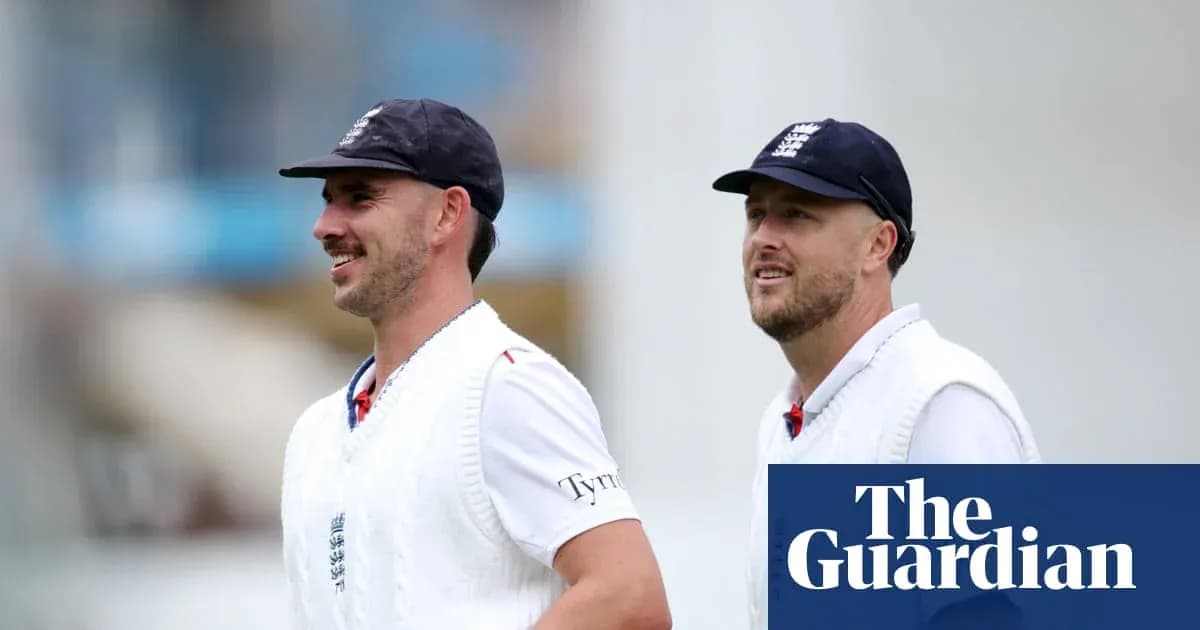
The 26-year-old has been tinkering away from the cameras. A wobble seam, honed in practice with Ollie Robinson as his sounding board, suddenly stepped out of the nets and into the contest.
“I’ve spoken to Robbo quite a bit about it,” Tongue said after stumps. Robinson has made that delivery his calling card, and Tongue has been a keen student over the last couple of Tests, trying “a couple of things in training the other day”.
The experiment went straight into the furnace. First time he used it in a match, it brought a wicket. No gentle bedding-in, no long apprenticeship. One ball, one breakthrough.
“That was the first time I’d bowled it in the game and it got me a wicket, so I’ll be using it again. I want to get more skills under my belt,” he said. The intent is clear: a bowler already dangerous is looking for new ways to hurt you.
Around him, England’s seamers moved as a unit. Tongue took four, Robinson and Jofra Archer split the other six. It was not a day for lone heroes; it was a day for a pack that understands its roles and its conditions.
Pakistan’s batting crisis deepens
For Pakistan, the story is starting to sound painfully familiar. Five innings in the series, five totals under 200. Another collapse into the 130s here, another day when the batters never quite came to terms with the movement.
Saud Shakeel, who top-scored with 43, stood almost alone. He read the situation, fought hard, and still watched wickets tumble around him.
“Early on, when we lost the toss, the pitch had some moisture in it and the overcast conditions helped their bowlers as well,” he said. The early cloud, the damp surface, and England’s seamers on home turf: it was a cocktail Pakistan never really handled.
“We got some soft dismissals and we couldn’t come back from that,” he admitted. The honesty was stark. Pakistan’s batters know they are short; the numbers keep underlining it.
“We’re working hard, it’s not like we aren’t trying,” Shakeel added. “There’s a lot of lateral movement and we’re not used to facing that, but we are trying our best. I’m not saying our batting group has not struggled, we have accepted that. But the conditions have been difficult. Bowlers have been on top.”
They have been on top throughout this series. England have yet to be bowled out for less than 200. Pakistan have yet to reach it.
England ahead, but wary of the morning
England’s position is strong without being secure. At 156 for four, with Harry Brook unbeaten and one of two half‑centurions alongside Emilio Gay, they have the kind of platform that can decide a match if cashed in properly.
The players know it. Tongue did not dress it up.
“That first hour tomorrow morning is going to be very crucial,” he said. “We’ve just got to get through that first bit.”
Survive the new ball, stretch the lead, and Pakistan will be staring at another uphill climb against a seam attack that has them in a chokehold. Lose early wickets, and suddenly that modest first‑innings total looks a little larger.
Razaullah offers Pakistan a jolt of pace
If there was a bright spark for the tourists, it came from a 21‑year‑old quick who has barely begun his first‑class journey.
Razaullah, playing only his ninth first‑class match, bowled with bite and hostility, unsettling England’s top order and dismissing Gay and Joe Root. It was raw, it was fast, and it gave Pakistan something they have been desperate for on this tour: a genuine point of difference.
“I’ve just faced him one time in a domestic first-class game, so I haven’t seen him that much,” Shakeel said. “But he has some raw pace and a difficult action and we’re hoping he will continue bowling like this.”
With a bowler like that, experience becomes a secondary concern.
“With express fast bowlers, even if they haven’t played a lot of first-class cricket, it doesn’t matter,” Shakeel said. “Their raw talent and pace is useful, which we saw from him today.”
That pace will be needed again in the morning. England’s lead is not yet decisive, but it is already uncomfortable. Pakistan must lean on Razaullah’s fire, on the slivers of movement still in the surface, and on the belief that one sharp burst can drag them back.
England, for their part, will send Tongue and his new wobble seam back into the fray soon enough. If Pakistan’s batters cannot find answers quickly, this series may start to feel less like a contest and more like an examination they are doomed to fail.