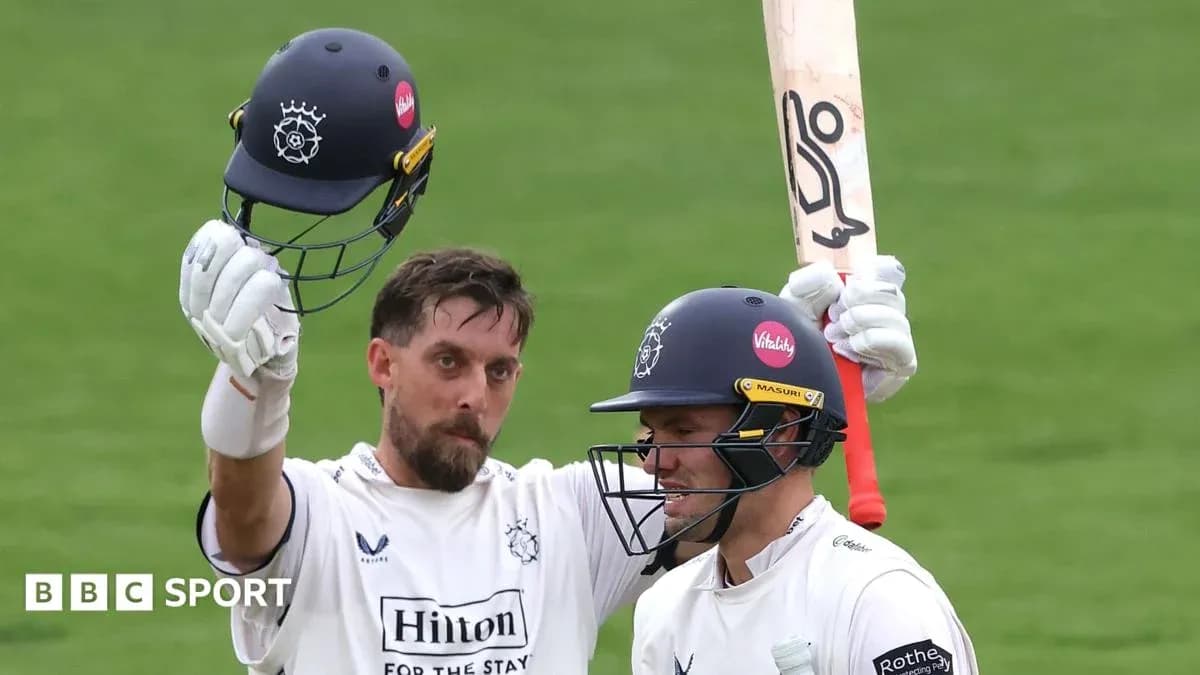
Jake Lehmann's Unbeaten 115 Keeps Hampshire in the Game
Jake Lehmann stood alone in the Trent Bridge sunshine, and for long stretches it felt like he was holding back an entire champion county by himself.
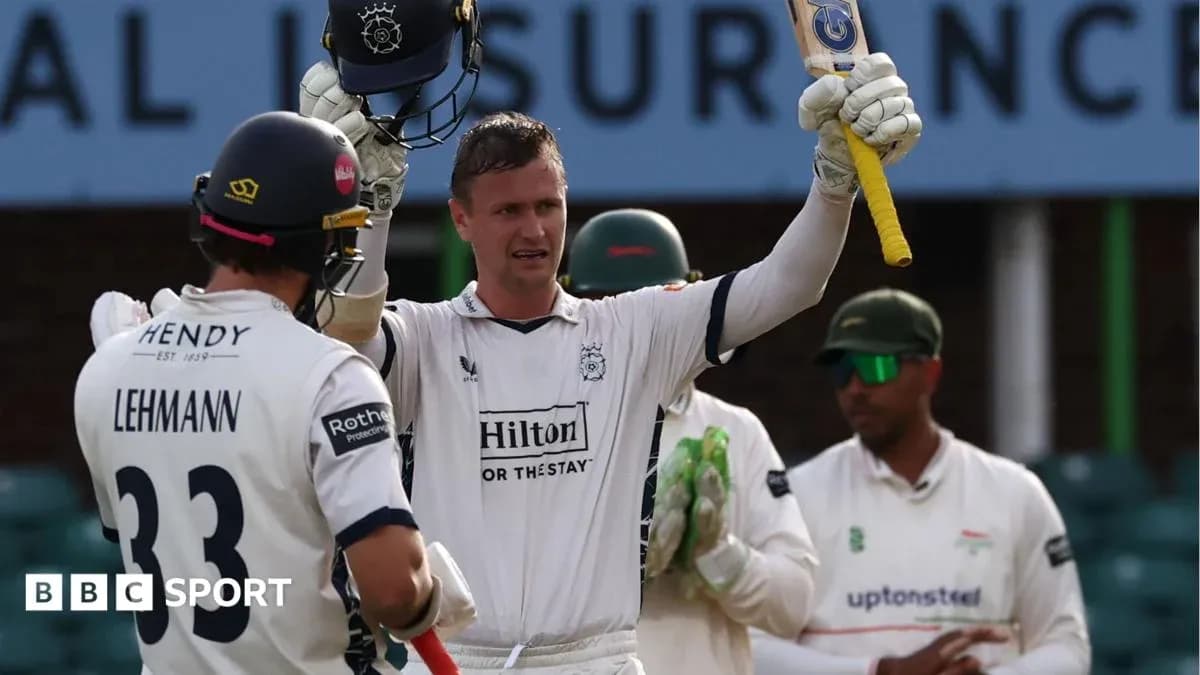
On a surface where Hampshire’s fragile batting has too often been exposed this season, the left-hander carved out an unbeaten 115 to drag his side to 267-7 in reply to Nottinghamshire’s 377, trimming the deficit to 110 and, crucially, keeping the contest alive.
Lehmann defies the numbers
The numbers say Hampshire’s batting has been a problem. Only Lancashire have scored fewer runs per wicket in Division One; Hampshire’s average of 24.50 per dismissal tells its own story.
Lehmann has ripped up that script.
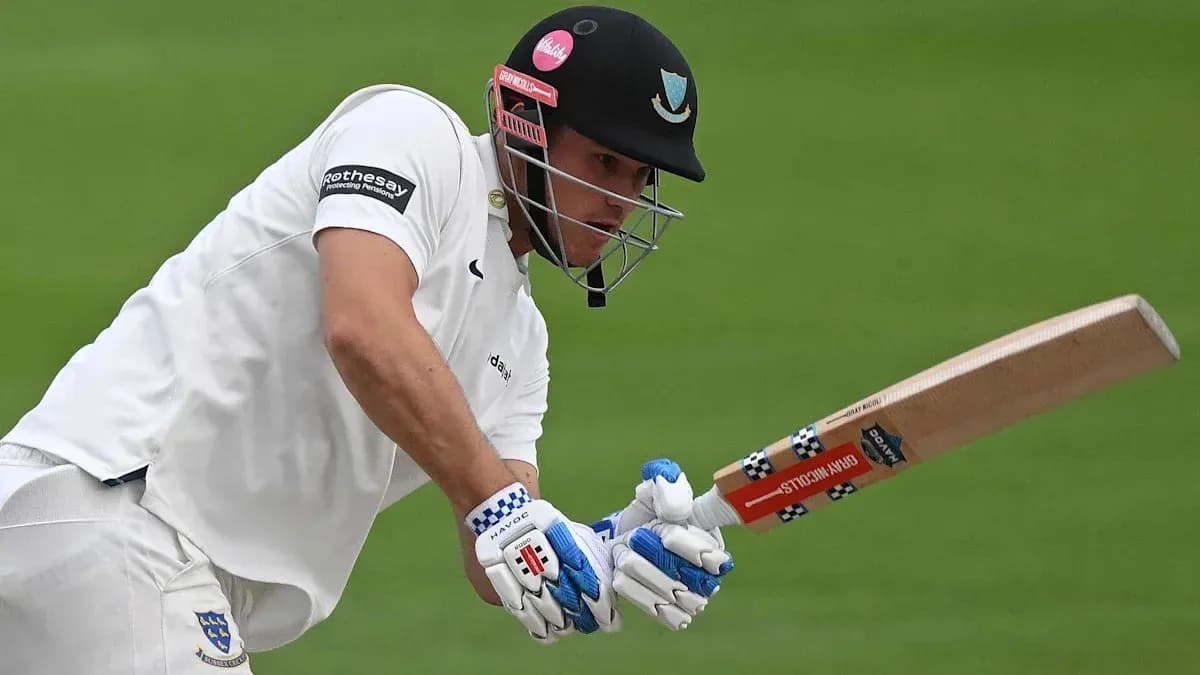
The South Australian, playing as a local on a British passport, now owns 922 Championship runs this season, the joint-second highest tally in the top flight. At Trent Bridge he looked every inch a player operating on a different plane, marrying crisp timing with nimble, inventive footwork that instantly called to mind his father Darren.
He walked in with the reply already wobbling and simply refused to be dictated to. By lunch he had 33 from 29 balls, picking off anything loose, unsettling the bowlers, and changing the tempo of a morning that had started perfectly for Notts.
False dawn for the champions
Nottinghamshire, the defending champions, thought they had the day by the throat almost before it had begun.
Olly Stone, with the first ball of the morning, went full, straight and hostile. Felix Organ prodded defensively, nicked behind, and was gone for six. Hampshire were 12-1 and suddenly under lights they didn’t control.
What followed, briefly, looked like a routine squeeze. From 12-1 the reply moved serenely through 18 overs. Toby Albert and Nick Gubbins settled, picked gaps, and appeared to have dragged the innings into calmer waters.
Then, in four brutal balls, it all turned.
Tom Giles, the fourth seamer in only his second first-class match, struck with a full delivery that trapped Albert lbw for 31. Dillon Pennington, angling in from round the wicket, found essentially the same ball to the left-handed Gubbins, pinned him in front for 35, and suddenly Hampshire had lost both set batters with the score still fragile.
Lehmann arrived with the innings in flux and instantly changed the mood.
Pressure, then resistance
Hampshire reached 141 before the slide resumed. Joe Weatherley, who had worked hard for 25, fatally misjudged Stone on his return, shouldered arms and watched in dismay as a third consecutive lbw verdict went against a top-order batter.
From the Stuart Broad End, Liam Patterson-White came on and applied a vise-like grip with his left-arm spin. Over after over he hammered away at a length. Only 50 runs came from the 30 overs leading to tea, Hampshire’s scoring almost throttled, Lehmann marooned as partners came and went.
Ben Brown, having done much of the dirty work, then undid it in a flash. A rash, hard cut flew straight to first slip. Fraser Sheat, who had already chipped in with the ball, struck again ten balls later, 18-year-old Ben Mayes edging out for just one.
At 190-6 either side of the tea interval, Hampshire’s innings sat on the brink. Nottinghamshire could sense maximum bowling points and a rapid kill.
Currie had other ideas.
Currie digs in, Lehmann closes in
Scott Currie, more often talked about for his bowling and with just one first-class hundred to his name from a loan spell at Leicestershire, chose this stage to show his steel. He dug in, left well, trusted his defence, and gave Lehmann exactly what he needed: time.
Across 38 overs, the pair stitched together a seventh-wicket stand of 97 that changed the tone of the day. Currie faced 143 balls for his 35, a figure that underlines the sheer stubbornness of his effort.
Patterson-White kept coming, relentless and miserly. His 21 overs cost just 28 runs, a spell of suffocating control that in most circumstances would have broken a lower order. Not this time. Lehmann kept finding a way to score, Currie kept finding a way to survive.
When Nottinghamshire finally turned to the second new ball at 216-6, they expected it to rip through the tail. Instead, it skidded harmlessly by. The frustration around Trent Bridge grew with each quiet over as Lehmann moved into the 90s and then beyond.
His hundred arrived from 160 balls, a landmark greeted with warmth from a crowd that recognised a high-class innings when it saw one. Neat clips, firm drives, deft nudges into gaps: it was an innings built on clarity and nerve rather than brute force.
Only when 31 balls remained in the day did the resistance finally crack. Sheat produced a beauty to Currie, the ball nipping just enough to beat his defence and rattle the stumps. The partnership was broken, but the damage to Nottinghamshire’s plans had been done.
Notts held at arm’s length
By the close, Lehmann stood on 115*, one run shy of his best score in English conditions – the 116 he made for Yorkshire in 2016, at his father’s old county. He will have that mark in his sights on the third morning, with Hampshire still 110 behind but no longer out of the contest.
For Nottinghamshire, it added up to another day of irritation in a period already testing their patience. Since beating Surrey 18 days ago, wins have been hard to come by. Here, after that first-ball strike from Stone and the early lbws, they had a chance to stamp their authority and chase maximum bonus points.
Instead, they closed needing two more wickets inside the first ten overs on day three to secure those bowling rewards, before they can even think about forcing a result.
Lehmann has ensured they will have to work for every inch. The question now is whether the champions can turn a position of control into the ruthless finish they have been searching for, or whether Hampshire’s unlikely resistance proves the turning point in their own stuttering season.