Leah Poulton Appointed Managing Director of England Women
English cricket has dipped into the southern hemisphere talent pool again – and this time, it’s the women’s game that gets an Australian at the top.
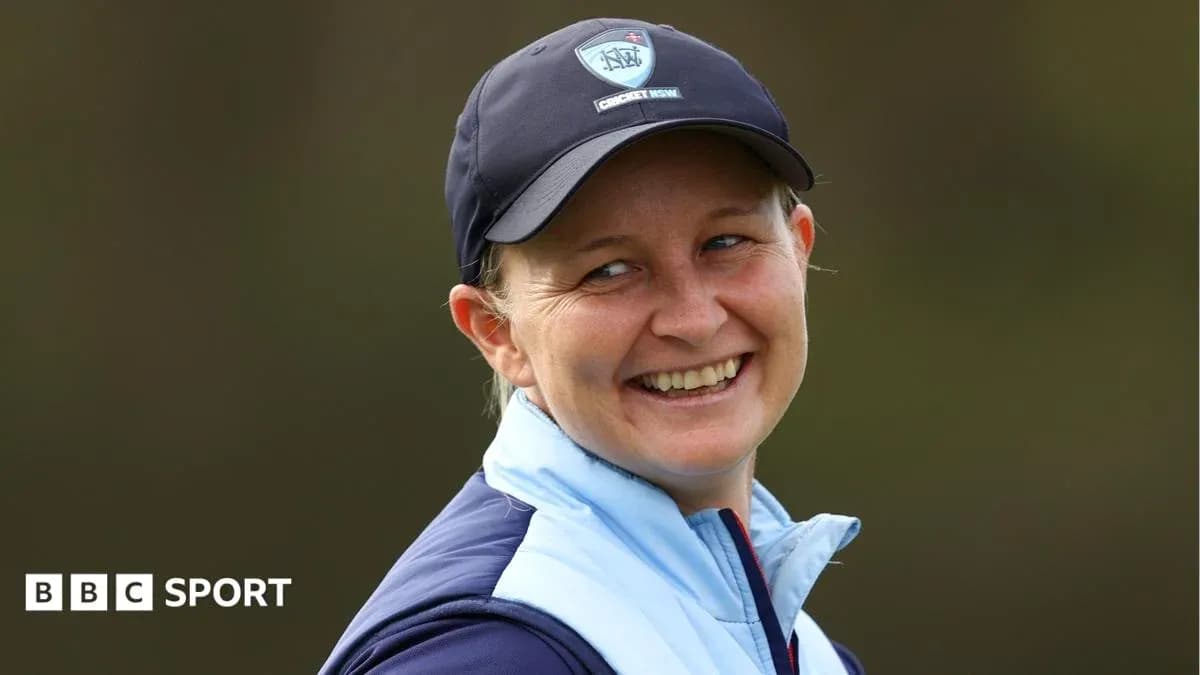
Leah Poulton, the former Australia batter who played 90 times for her country, has been appointed managing director of England women by the England and Wales Cricket Board. She starts in November, stepping into the space vacated by Clare Connor and, in practice, also absorbing the responsibilities of outgoing women’s performance manager Jonathan Finch.
This is no ceremonial role. The ECB has made it clear: Poulton will be accountable for the performances of England women, England women A, England women U19s and the overall health and reputation of the women’s high-performance system. In short, if it affects the elite women’s game, it lands on her desk.
From Big Bash dugouts to English overhaul
Poulton arrives with a coaching and development résumé that runs deep through Australian cricket. She has served as assistant coach at Sydney Thunder and Sydney Sixers in the Women’s Big Bash League, then moved into a key development role at Cricket New South Wales as pathway manager and assistant coach with the NSW Breakers.
That pathway focus became her calling card. After a spell as high performance coach at Cricket Australia, she returned to Cricket NSW as head of elite female cricket, a position she has held for the past six years. During that time, NSW continued to churn out internationals and remained a powerhouse in the women’s game.
Now those skills are being imported wholesale.
The ECB wants Poulton to work closely with England head coach Charlotte Edwards and captain Nat Sciver-Brunt to set what it calls a “clear, unified vision” for a side expected to compete – and win – on the world stage. The relationship between those three will define the next era of England women’s cricket.
Poulton, who has previously worked alongside Edwards and selector Lydia Greenway in the Big Bash, steps into a structure that has been deliberately reshaped. Connor, who wore multiple hats at the ECB, also served as deputy chief executive and held influential positions at the International Cricket Council and Marylebone Cricket Club. Her remit stretched well beyond the dressing room.
Poulton’s will not. Her brief is sharper, narrower, and far more hands-on.
A calm operator, ready for hard calls
Inside Australian cricket, Poulton has built a reputation as a calm, clear communicator, someone who does not shy away from uncomfortable conversations when standards slip. That trait will matter in a role that straddles performance, selection pathways and long-term planning.
She is understood to have beaten several heavyweight English candidates to the job, underlining both the strength of her candidacy and the ECB’s willingness to look abroad for leadership. It continues a trend: the England men’s team already leans heavily on antipodean influence, with New Zealanders Stephen Fleming and Brendon McCullum as head coaches and Australian Marcus North involved in selection.
Now, as the women’s programme enters a crucial cycle, another Australian voice will shape England’s direction.
Poulton herself has spoken of the move as a privilege and an opportunity to invest in people, to build on what she describes as “strong foundations” and to push the programme forward. She has been clear about where she believes sustained success comes from: strong pathways and a vibrant domestic game that gives the next generation every chance to flourish.
Ashes on the horizon
Poulton walks into a rare moment of calm at senior level. England women do not play again until after Christmas, and the early part of the winter will be dominated by work with the layers beneath the full side – England women A and the U19s – exactly the area where her pathway expertise should bite.
The quiet will not last.
Next summer, England host Australia in a women’s Ashes series. It is the defining contest of the calendar, the series by which eras are judged and reputations are either confirmed or shredded. For English cricket, the stakes are obvious: regaining the urn, on home soil, against the dominant force of the past decade.
And now, the task of plotting that challenge falls to an Australian charged with unlocking England’s potential and, ultimately, toppling her own country.
An Ashes summer, an Aussie in charge, and a women’s side on the cusp of a new chapter. English cricket has made its bet. The question is simple: can Leah Poulton turn structural promise into silverware?