NBA Hits Los Angeles Clippers with Severe Penalties for Salary Cap Violations
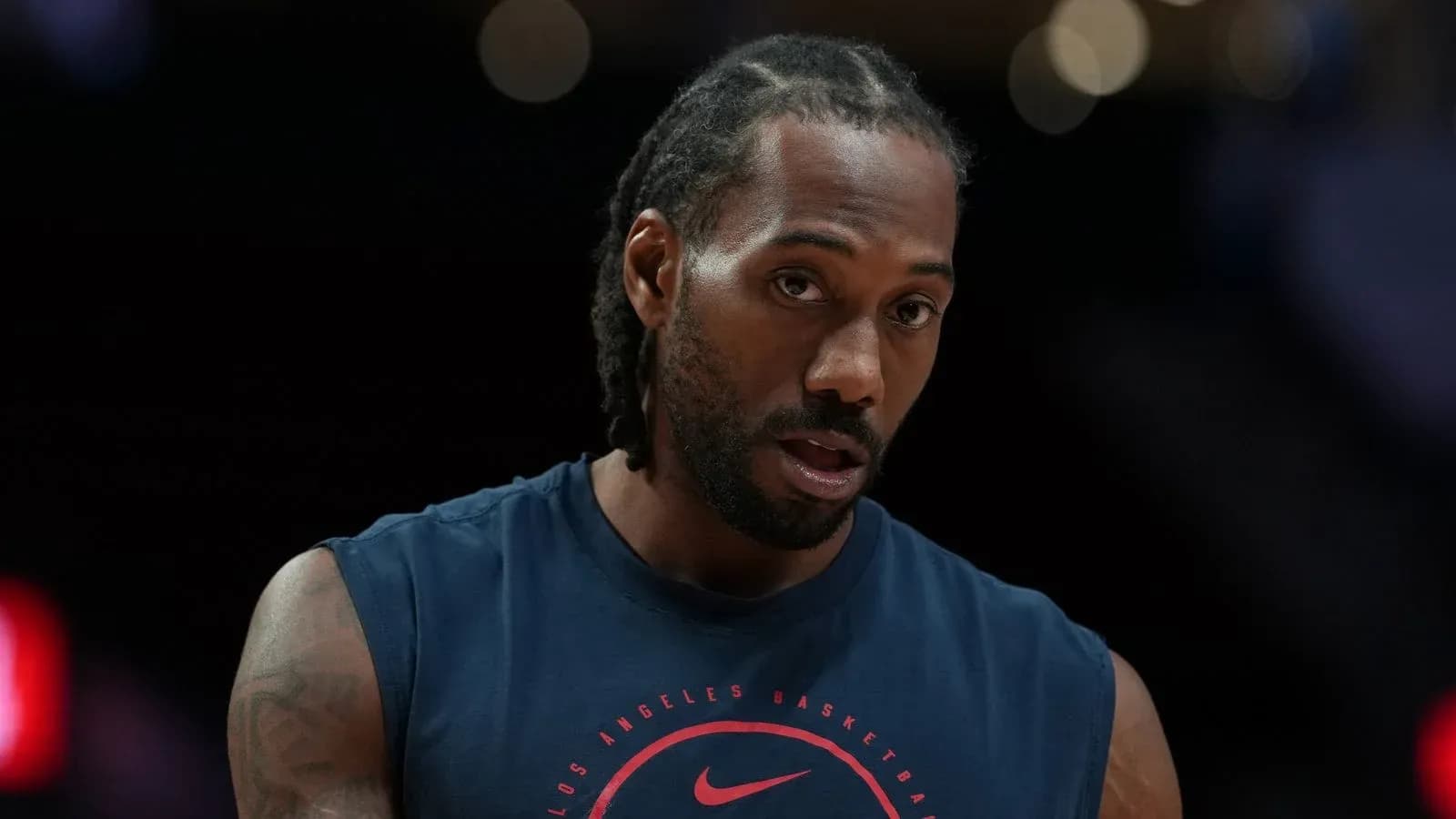
The NBA has dropped a financial hammer on the Los Angeles Clippers and their franchise star Kawhi Leonard, concluding a near year-long investigation with some of the harshest sanctions the league has issued in years.
A $30m fine for the organisation. A $700,000 penalty for Leonard. Five first-round draft picks stripped away. And, just as jarring, the faces of the franchise removed from the front line.
Owner Steve Ballmer has been suspended for one year. President of basketball operations Lawrence Frank is out for six months without pay. President of business operations Gillian Zucker has been suspended for a year. All three are tied, in the league’s view, to a coordinated effort to bend – and ultimately break – the NBA’s salary cap circumvention rules.
For a club that repeatedly insisted it had done nothing wrong and expected to be cleared, the verdict could hardly be more brutal.
How the Clippers crossed the line
The case centres on Leonard and the network around him. According to the NBA, Leonard, through his former business manager and uncle Dennis Robertson, “violated the circumvention rules by pressuring the Clippers to assist him in obtaining off-court income opportunities, successfully obtaining those opportunities, and failing to reimburse payments by the Clippers for personal expenses.”
Those words matter. The league is not talking about routine endorsement help or standard team-facilitated introductions. It is talking about pressure, inducement, and undisclosed benefits tied to a player’s employment.
An investigation led by New York law firm Wachtell Lipton found that the Clippers broke NBA rules by:
- Initiating off-court income opportunities between Leonard and four companies that do business with the team
- Facilitating endorsement agreements between Leonard and those companies
- Inducing those companies to sign on by offering them business from the team
- Paying personal expenses on Leonard’s behalf
- Failing to report improper solicitations for off-court income opportunities made on Leonard’s behalf through Robertson
In plain terms, the league concluded that the Clippers used their corporate ecosystem and business relationships to sweeten Leonard’s overall compensation package beyond what the salary cap allows, then tried to keep key elements of that arrangement out of official view.
The NBA said Ballmer’s suspension stems from “knowingly seeking to help Mr. Leonard obtain off-court income opportunities,” among other issues, tying the owner directly to the violations rather than portraying this as a rogue operation buried in the organisation’s middle management.
Leonard accepts responsibility – but insists on good faith
Leonard, a two-time NBA champion and two-time Defensive Player of the Year, now finds his name attached not to another deep playoff run, but to one of the league’s defining disciplinary cases of the cap era.
In a statement released through his new agent, Harrison Gaines, Leonard struck a contrite but defensive tone.
“I accept full responsibility for lapses in judgment by people within my inner circle and regret the distraction this situation has caused the fans and my family,” he said.
He also pushed back on any suggestion that he personally set out to cheat the system.
“I entered into my contract with the Clippers as well as the agreements in question in good faith, fully committed to fulfilling my obligations and with no knowledge of any intent on anyone’s part to circumvent the salary cap,” Leonard added.
The league’s findings, though, make clear that it believes Leonard benefited from arrangements that never should have existed in their current form, regardless of his stated intentions.
Adam Silver makes an example
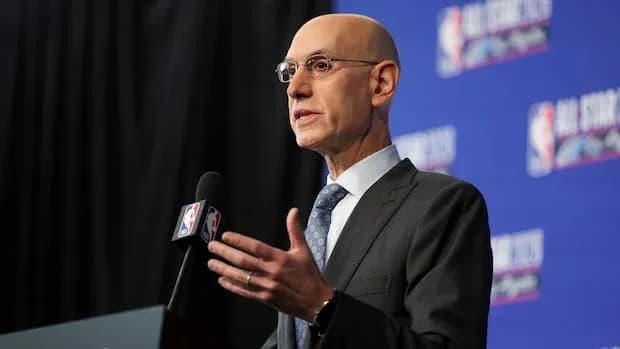
If there was any doubt about how seriously the NBA views this case, Commissioner Adam Silver’s language removed it.
“The NBA’s collectively bargained system for determining player compensation is a fundamental component of the basketball competition that the league oversees for the benefit of the teams and players and ultimately the fans,” Silver said.
“I am deeply disappointed by the flagrant violations of our rules and by the Clippers’ institutional and leadership failures that led to this misconduct. The severity of the penalties reflects the seriousness of the violations.”
That last line is the heart of it. A $30m fine stings, but Ballmer, one of the wealthiest owners in sports, can absorb it. Losing five first-round picks cuts deeper, slicing into the Clippers’ future at a time when draft capital is the league’s most valuable currency. Stripping key executives and the owner himself from day-to-day operations adds another layer of instability.
This is not just a financial punishment. It is a competitive and organisational reset, imposed from above.
A stalled trade and an uncertain future
The timing of the case has already had on-court implications. Leonard was the subject of a trade agreement earlier this summer that would have sent him back to the Toronto Raptors, the franchise he led to a title. That deal was put on hold pending the outcome of the NBA’s investigation.
Now the findings are public, the league’s stance is clear, and the Clippers’ landscape looks dramatically different from the one in which that trade was first conceived.
The franchise that once sold itself as a meticulously run, star-friendly operation in the shadow of the Los Angeles Lakers must now navigate a season – and perhaps several – under the cloud of lost picks, suspended leadership and a star player at the centre of a landmark cap-circumvention case.
The penalties are on the books. The reputational damage is done. The next question is simple, and far more difficult to answer: what does this version of the Clippers look like when the bill for these violations finally comes due on the court?