NBA Penalizes LA Clippers and Kawhi Leonard for Violations
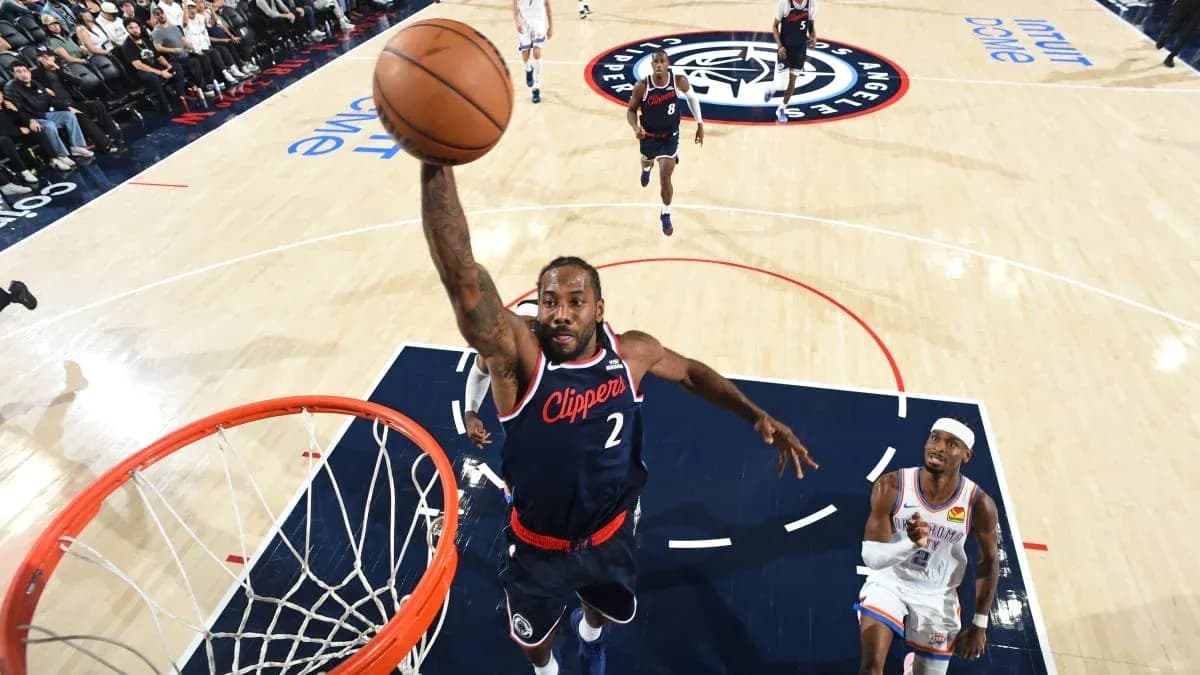
The NBA has come down hard on the LA Clippers and Kawhi Leonard, and the message from the league office could not be clearer: this was not a technicality, this was a breach of trust.
“The severity of the penalties reflects the seriousness of the violations,” the league said, framing a case that stretches well beyond a single contract or a single season.
At the heart of the ruling lies an investigation into the Clippers’ dealings with Leonard, focused on off-court sponsorship contracts and the way they were arranged. The NBA described what it uncovered as “a pattern of misconduct and multiple significant rules violations by the Clippers organisation, a prior offender of the salary cap circumvention rules.” That phrase alone places this case in a different category from routine compliance issues.
The independent law firm Wachtell, Lipton, Rosen & Katz was brought in to dig through the details. Their findings cut straight to the core of the Clippers’ relationship with one of their franchise stars. According to the investigation, the organisation initiated and helped orchestrate off-court sponsorship income deals for Leonard with four companies already tied to the team: Aspiration Partners, Boingo Wireless, Daktronics and Lockton Insurance.
These were not ordinary endorsement arrangements sitting neatly alongside a standard NBA contract. The probe found that the Clippers induced those companies to sign agreements with Leonard by dangling something powerful in return: business from the team itself. The club also paid personal expenses for Leonard and his representatives, and failed to report improper solicitations for off-court income opportunities made on Leonard’s behalf by his then-business manager, Dennis Robertson.
The pressure did not just come from the franchise side. The investigation concluded that Leonard, through Robertson’s conduct, violated salary cap rules by obtaining improper off-court income opportunities, leaning on the Clippers to help secure them, and then failing to reimburse the team for those personal expenses it had covered. In a league where every dollar under the cap can tilt competitive balance, those findings cut deep.
Robertson’s role drew one of the most striking sanctions. The NBA banned him from engaging with any NBA teams or affiliates on behalf of any player, employee or other league or team personnel for five years. For a long-time representative operating in the shadows of the sport’s power structure, that is a heavy door slammed shut.
The penalties, agreed jointly by the NBA and the National Basketball Players Association, are final and binding on all parties. There will be no appeal, no quiet walk-back months down the line. Yet the story is not entirely closed. The league made a point of noting that investigators are still receiving information related to the case and that the NBA “will consider further action as appropriate.”
The Clippers have already been branded repeat offenders in the league’s own language. The question now is whether this latest ruling finally forces a reset in how teams, stars and their inner circles try to stretch the salary cap’s edges—or whether this is only the most visible chapter in a battle the NBA is still fighting to control.