Bahrain Grand Prix Relocated to Malaysia Amidst Regional Turmoil
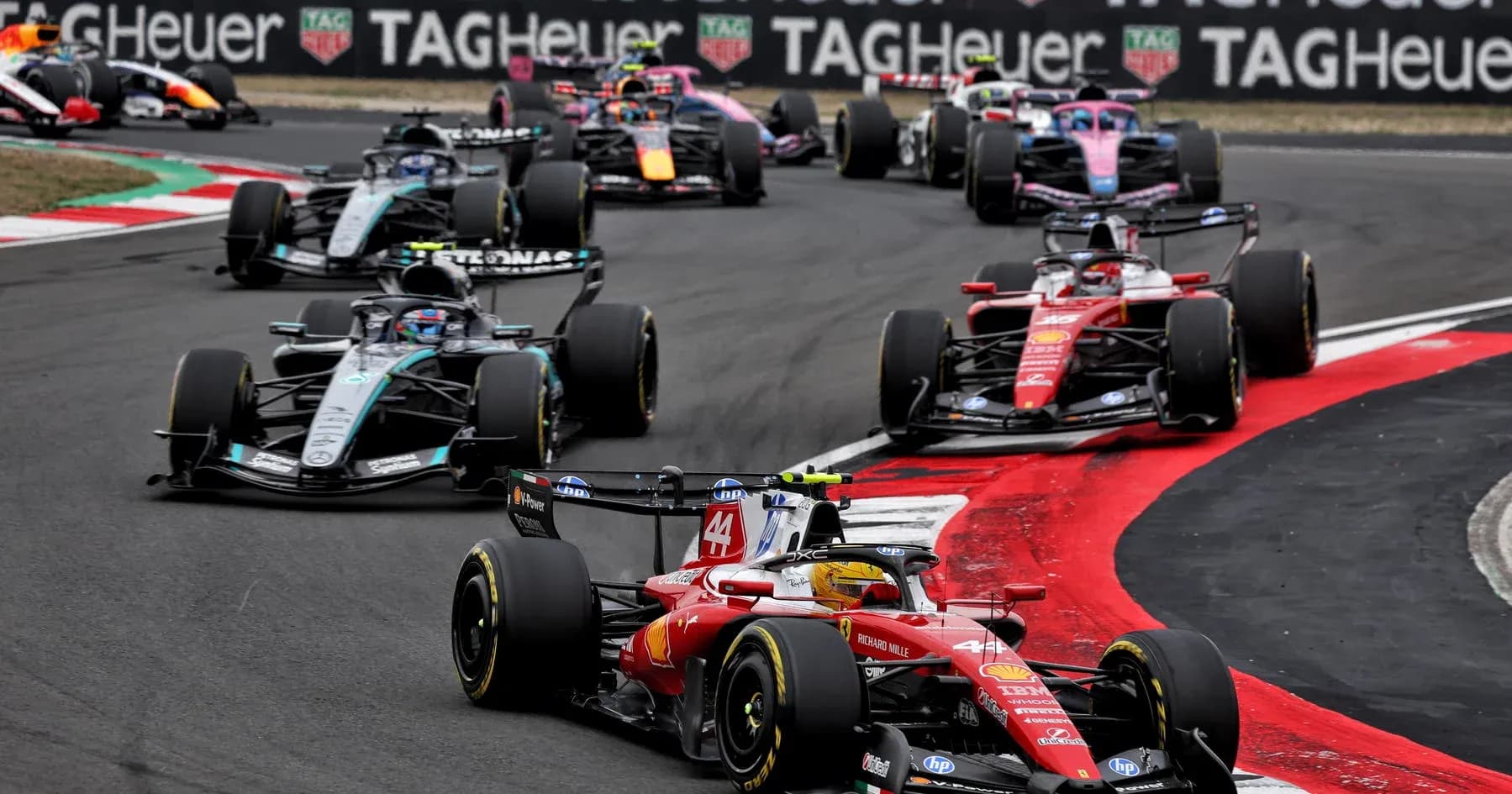
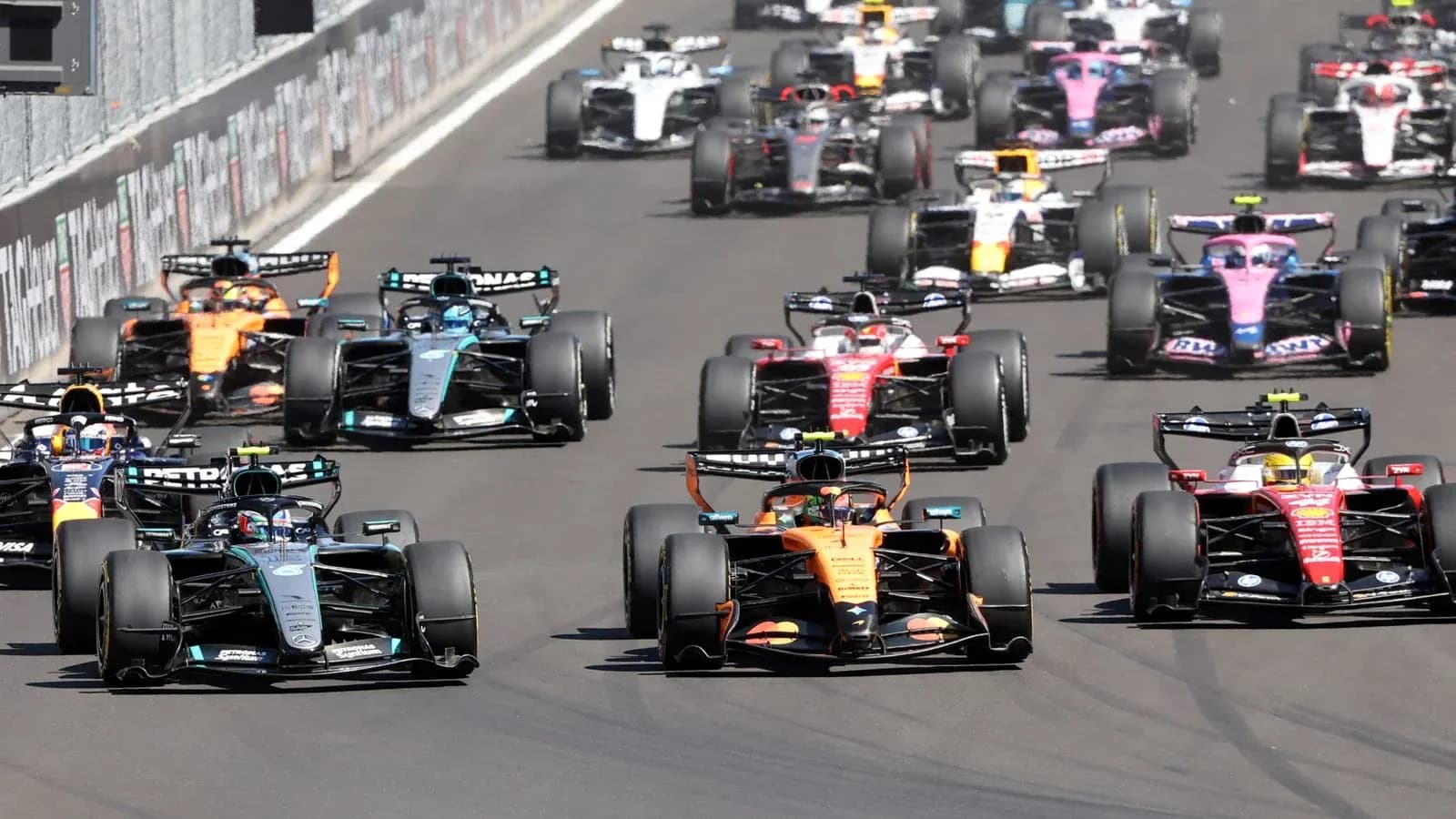
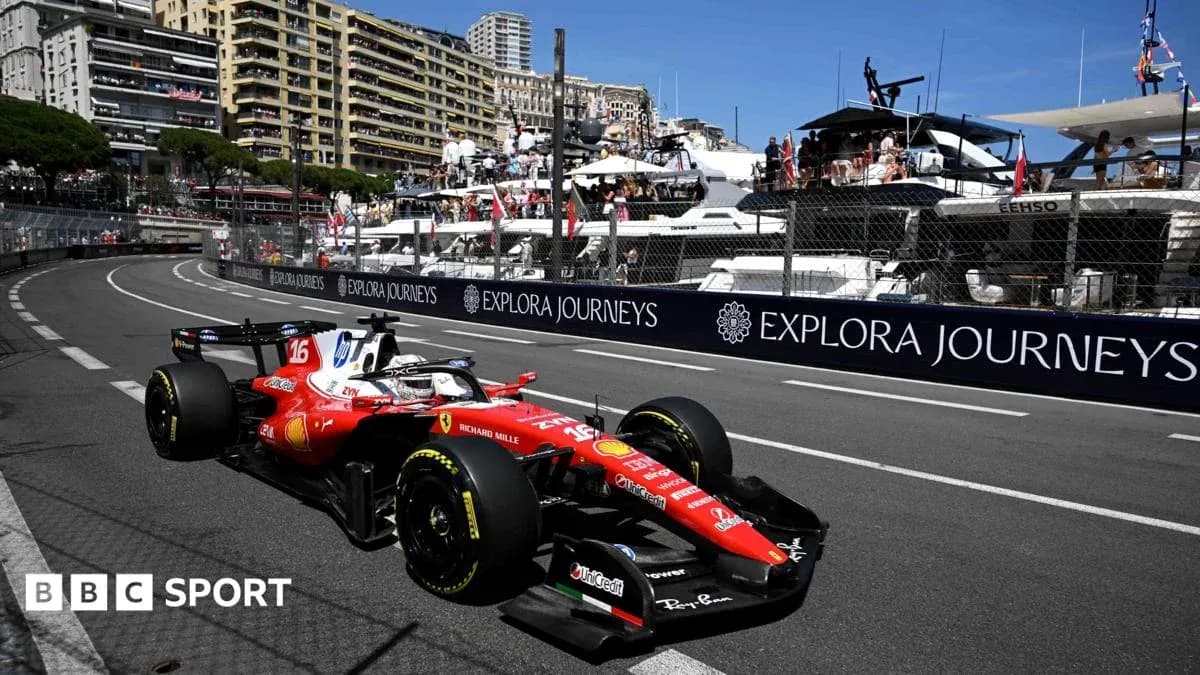
The floodlights will still blaze, the engines will still scream, and the Bahrain Grand Prix will still go ahead this October. Just not in Bahrain.
In a stark symbol of how war risk has redrawn the map of global sport and entertainment, Formula One has shifted the race thousands of miles east to Malaysia. The event keeps its name but loses its home, a branding shell wrapped around a security calculation.
Across the Gulf, the calendar tells one story. Reality tells another.
A racing calendar rewritten
Saudi Arabia, which has poured billions into videogames and e-sports as part of its grand soft-power push, has already watched one of its flagships depart. The E-Sports World Cup, meant to be another Riyadh showpiece, has been relocated to Paris. Formula One went further still, scrapping April’s race in the kingdom altogether.
Abu Dhabi, usually the season’s glittering full stop in December, remains on the schedule. For now. F1 officials have made clear that could change if the conflict shifts again.
Even pop culture has not escaped. A music festival in the United Arab Emirates headlined by Shakira, designed to project normality and glamour, has been pulled.
The message to promoters and fans is blunt: nothing in the region is guaranteed.
Empty lobbies, grounded planes
Behind the headlines, the economic fallout has sunk deep into the Gulf’s core industries. Aviation, real estate, tourism, shipping, hotels — the pillars of the non-oil economy — are all taking heavy hits.
It is not just that tourists and business travelers are staying away. Supply chains are snarled. Shipping bottlenecks have slowed the arrival of everything from heavy machinery to kegs of imported beer, piling extra costs onto companies already fighting for demand.
“When this thing ends, it is still going to take six months for things to start to feel normal again,” said Rafael Khanoyan, chief executive of U.A.E. contractor Al Ryum Group. Rerouted containers and shipment backlogs, he said, have sharply driven up the price of imported goods.
Gulf leaders had gone into the summer with a different script in mind. They expected the violent phase of the war to ease, to be replaced by drawn-out negotiations over Iran’s nuclear program. Under that scenario, economic life would edge back toward normal.
Those hopes have evaporated. Officials now brace for the rest of the year to be a write-off, anticipating a prolonged stretch of low-level conflict with no clear U.S. route to a political endgame.
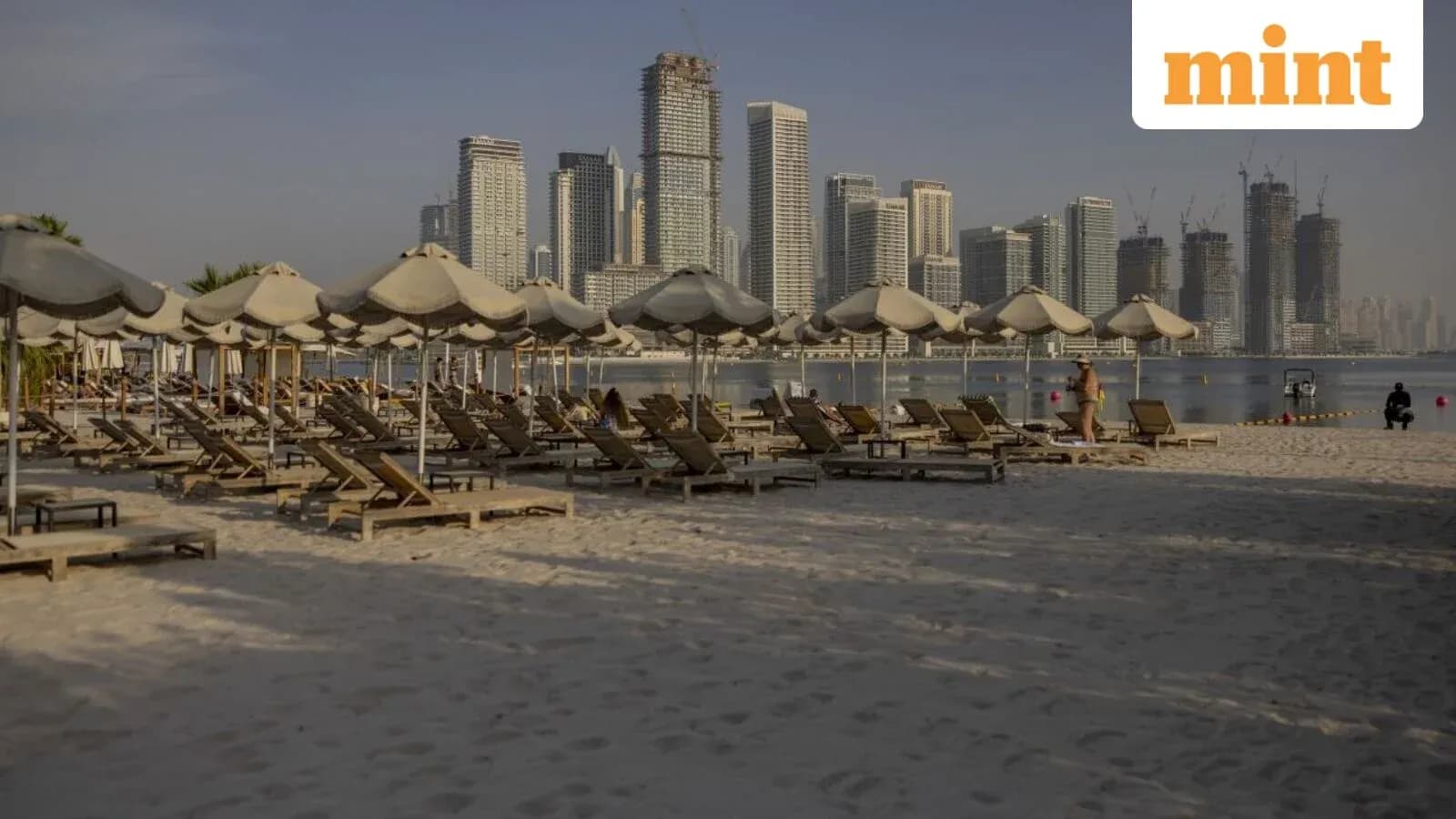
In Dubai, where the skyline is built on the promise of perpetual motion, the slowdown is unmistakable — even if the authorities prefer not to dwell on it. The government has restricted information about war damage, stopped publishing some data and launched an aggressive marketing campaign to present the city as back to its prewar best.
On the ground, the numbers tell a different story.
Casinos, carriers and a costly pause
Wynn Resorts, building the first legal casino resort in the U.A.E. at a cost of more than $5 billion, has already felt the impact. The project’s opening has been delayed by months, and the price tag has climbed by hundreds of millions of dollars.
“Look, I’m not going to tell you there’s no risk, but when we underwrote the project…we didn’t underwrite a region with zero geopolitical risk,” Wynn Chief Executive Craig Billings told investors in August. “We underwrote a country with a demonstrated ability to manage through it.”
The skies above the Gulf reflect that split-screen reality. Many European and North American airlines — including Air Canada, KLM and Lufthansa — have pushed their suspensions of flights to Dubai into next year.
Gulf carriers, by contrast, keep flying. They continue to use Iranian airspace and have shown a far higher tolerance for risk. Dozens of planes have landed at or departed Dubai International Airport within minutes of missile or drone warnings, The Wall Street Journal reported.
Even so, Dubai International — usually among the world’s busiest hubs — has seen passenger traffic fall 31% year-over-year in the first half of 2026. Cargo is down 29% over the same period.
Hotels are feeling the chill. Occupancy rates dropped to 56% in the first half of the year, down from around 80% in 2025, according to Cavendish Maxwell, a Gulf-based property consultancy. The sharpest falls have hit luxury and upscale properties, the very segment that helped define Dubai’s brand.
Vision 2030 meets hard reality
For Saudi Arabia, the downturn lands squarely on Crown Prince Mohammed bin Salman’s Vision 2030 — the sweeping plan to loosen the kingdom’s dependence on oil and build a diversified, tourism-heavy economy.
“The crisis is making tourism less attractive as a counterweight to oil,” said Neil Quilliam, an associate fellow at Chatham House in London. “Vision 2030 was already a bit on the rocks, and they were already changing their priorities. There seems to be a push now away from the softer sides of the business goals, more toward industrialization.”
The Gulf’s glamour projects were meant to lure global capital and visitors. Now, some of those same investors are eyeing the exits.
Dubai’s real-estate index, which tracks listed developers, has shed about a third of its value from just before the war to Thursday. Residential sales dropped 31% in the spring. The high-end segment has been hit even harder: sales of properties above $4 million plunged 59%, according to brokerage Betterhomes.
“This year went into the trash,” said Dubai-based property consultant Walid Abou Sabha.
He had ridden Dubai’s post-Covid property boom to dizzying heights. Originally from Lebanon, Abou Sabha moved to the city in 2023, leaving behind roughly $2,000 a month in earnings in other Middle Eastern markets. In Dubai, he surged to about $65,000 a month, selling homes and living the classic high-octane lifestyle of fast cars, parties and expensive watches.
Then the war broke out. On day one, Iran began firing on Dubai. Abou Sabha said his early-spring sales collapsed from seven a month to zero. He still believes the market will come back in a few years.
“You cannot gamble against Dubai. Any time people did, they ended up losing,” he said.
Prices hold, for now
Despite the slump in demand, prices have been sticky. Average residential sales prices in Dubai rose 3% in the second quarter of 2026 compared with a year earlier, Betterhomes reported. Hotel room rates fell just 7% in the first half of the year versus the same period in 2025, even with high vacancy levels. Airfares remain elevated, lifted by reduced competition and higher jet-fuel costs.
To some, that resilience looks temporary.
Alistair Paine, chief executive of Peninsula, a consultancy that helps foreign firms set up in Saudi Arabia and the U.A.E., expects prices to eventually bow to reality, though he does not see that happening before year-end.
“There is a time effect to be realized here,” Paine said.
Other countries are already moving to catch the fallout. Singapore announced in August a tax exemption for certain investment profits earned by fund managers. Turkey, in June, rolled out a 20-year tax exemption on some foreign-sourced income for new residents, alongside a reduced inheritance tax.
Both countries also offer a clearer path to citizenship than the Gulf, where naturalization remains tightly restricted.
“They are incentivizing companies to capitalize on what is going on in the Gulf,” Quilliam said.
Yet the decision to leave is not straightforward. Firms that flocked to the region to chase its wealth now face bureaucratic obstacles and what Quilliam describes as punitive attitudes toward those who try to pull out. Once you are in, getting out — and then back in again — can be costly.
“It’s a balancing act,” he said.
A government on reassurance duty
Inside the U.A.E., officials have moved to steady nerves. Senior Emirati figures, who usually keep a low public profile, have been meeting investors and entrepreneurs directly.
Dubai approved a series of stimulus packages in the spring worth about $680 million. The measures include deferrals or exemptions on some government fees, targeted support for hotels and streamlined residency processes.
The city is also literally handing out reasons to visit. Tourists receive vouchers worth hundreds of dollars, bundling free tickets to water and theme parks, steep discounts on hotel stays at Palm Jumeirah and three months of a premium food-delivery subscription.
The events calendar is being kept busy as a statement of intent. An Emirati-hosted international golf tournament is set for November. Before the year is out, the country is due to host performances by Hans Zimmer, Imagine Dragons, the Chainsmokers, Russell Peters and Trevor Noah.
It is a show of confidence, but not blind faith.
U.A.E. officials openly concede that the war could once again slam the brakes on their plans. Anwar Gargash, a senior Emirati adviser, put it bluntly this week.
“A state of neither war nor peace cannot be a sustainable solution,” he said.
For now, the region lives in that limbo — staging Grand Prix races in other countries, filling concert lineups, rolling out tax breaks and vouchers — while waiting to see whether the next move comes from diplomats, generals or the markets.