International Court of Appeal Defends Integrity After Briatore's Claims
The International Court of Appeal has moved to firmly defend its integrity after explosive accusations from Alpine boss Flavio Briatore over the make-up of the panel that heard the Monaco Grand Prix appeal.
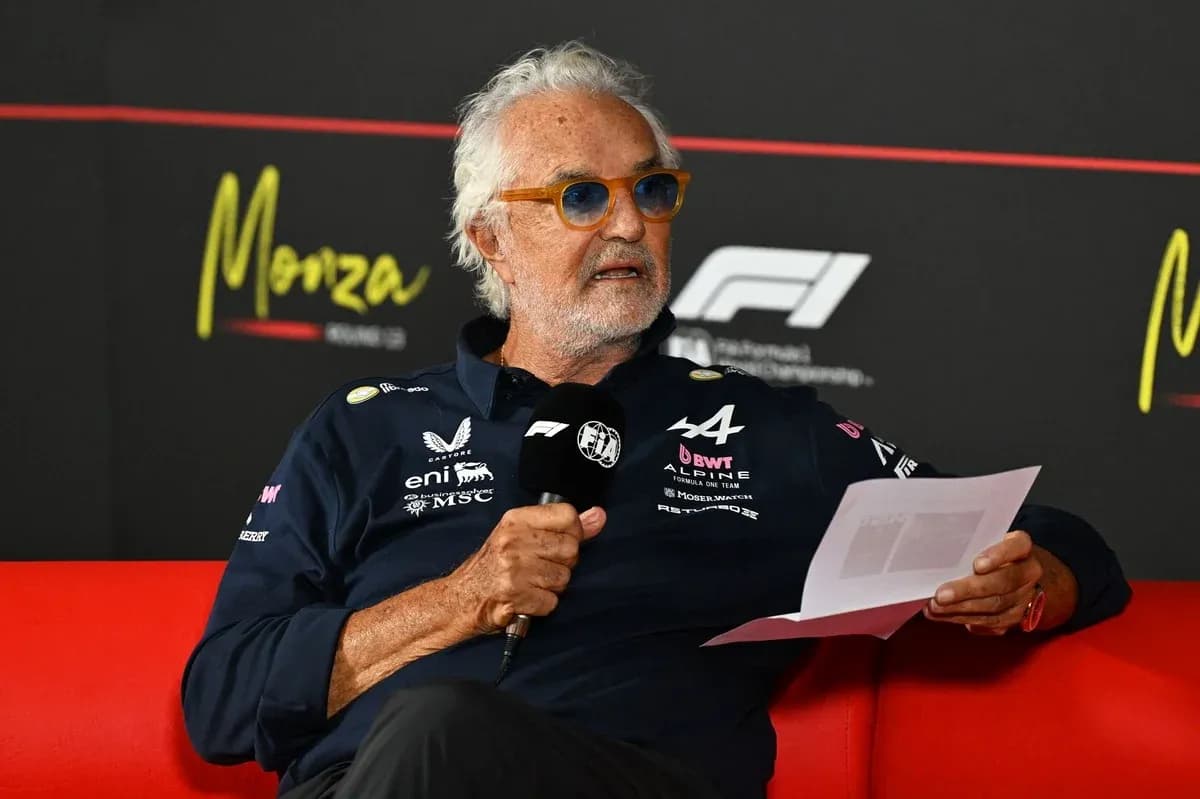
Briatore, speaking during a fiery press conference at the Italian Grand Prix, questioned whether the court could truly be impartial, claiming one of the judges had links to McLaren. The ICA, the highest authority in motorsport judicial matters and operating independently from the FIA, has now hit back with a detailed public statement.
Monaco penalties, overturned and reimposed
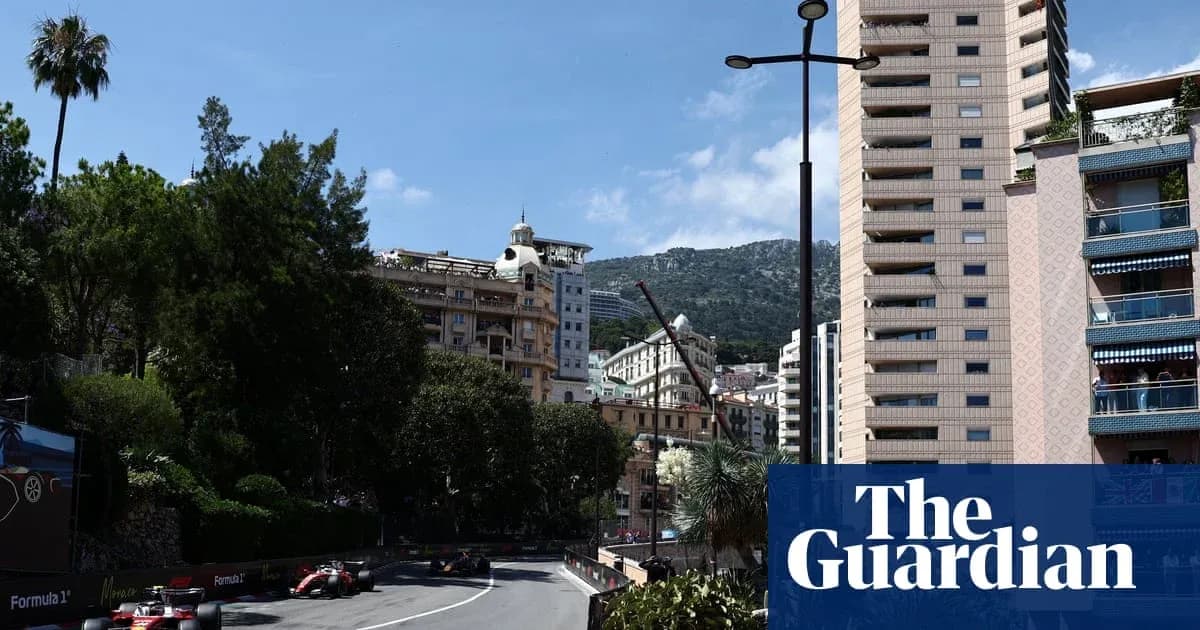
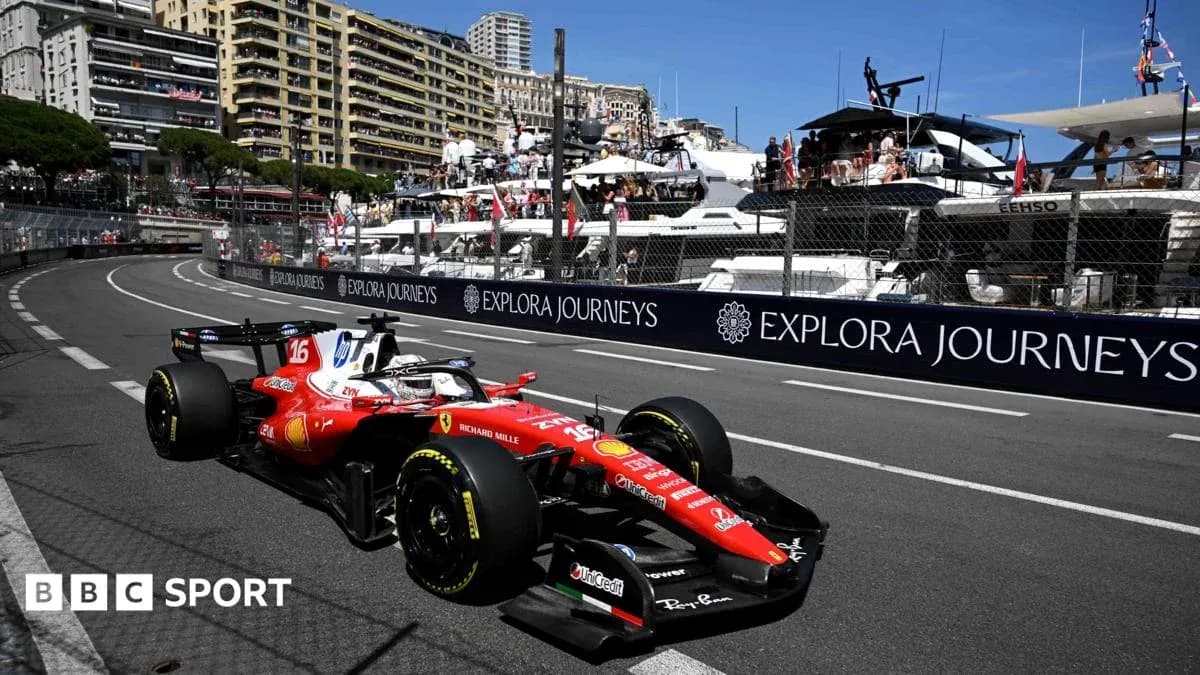
The row stems from the chaotic fallout of the Monaco Grand Prix, where Pierre Gasly was among several drivers incorrectly penalised for pitlane speeding. The Alpine driver initially lost his podium, only for the team to successfully secure a right of review. That procedure led to Gasly’s penalties being rescinded, restoring his result.
But there was a catch. Other drivers had already served their penalties during the race. Unlike Gasly, they could not be made whole again. McLaren and Red Bull, unhappy with the discrepancy, appealed the stewards’ decision to overturn Gasly’s sanctions.
The ICA sided with the appellants. Gasly’s penalties were reinstated, infuriating the Frenchman and Alpine and setting the stage for Briatore’s public broadside.
Briatore’s attack – and the judge at the centre of it
At Monza, Briatore went beyond sporting disagreement and took aim at the court itself. He argued that the panel’s independence was compromised because one of its judges, Filippo Marchino, allegedly had ties to McLaren.
Marchino previously served as CEO of the One Drop Foundation, a charity created by Cirque du Soleil founder Guy Laliberté. As part of that role, the foundation once received several McLaren road cars from the late McLaren shareholder Mansour Ojjeh, to be auctioned for fundraising. Briatore also pointed to a 2018 event in Beverley Hills hosted by McLaren Special Operations, where Marchino appeared as a speaker. That event had no direct link to the F1 team.
Those connections were enough, in Briatore’s eyes, to cast doubt on the court’s neutrality. The ICA has responded by stressing that its processes were followed to the letter.
ICA: procedures followed, no objections raised
In its statement, the International Court of Appeal underlined that the appointment of judges in the Monaco case – formally Case ICA-2026-06-07-08-09 – followed its standard judicial procedures, which it says are built around the highest international benchmarks for conflict-of-interest rules.
The court highlighted that:
- All its judges are elected by the FIA General Assemblies, some of them proposed by a group of at least five F1 teams, as allowed by the FIA statutes.
- Judges are bound by strict independence and confidentiality rules under the FIA Judicial and Disciplinary Rules.
- Each judge files annual disclosures of interests with the FIA compliance officer.
- For every individual case, judges sign a specific declaration of independence, tailored to the issues at stake and the parties involved, and that declaration is shared with those parties.
Crucially, the ICA revealed that neither McLaren, Red Bull, Alpine nor any other party raised a single concern about the panel’s composition before or during the hearing.
“At both the beginning and conclusion of the hearing, the parties were invited to raise any issue concerning the proceedings or the composition of the court. None did so,” the court noted, adding that no objections were made about how the hearing was conducted or how witnesses were questioned.
The message was clear: if there were doubts, the time to air them was in the courtroom, not in a press conference days later.
Diversity on the bench, and a firm defence of integrity
The ICA also used the statement to underline one of its guiding principles: building panels from a mix of cultural and geographical backgrounds. That diversity, it argued, is not cosmetic. It is meant to bring a broader range of legal traditions and perspectives into the room, strengthening what it sees as the fairness and credibility of its decisions and the access to a fair trial.
The court did acknowledge one reality of high-stakes rulings in elite sport: decisions will always be debated. “A court’s decision can leave room for various interpretations and comments as for its legal merits; that is fair and accepted by all the judges,” it said.
But on the core accusation – that the Monaco appeal panel was tainted – the ICA did not blink. It expressed full confidence in “the soundness of the proceedings and the integrity of the judges” and reaffirmed that the FIA courts “remain committed to the independence and impartiality of their judges and to the integrity of the judicial process.”
Gasly’s penalties stand. The appeal is closed. The legal battle is over, at least on paper.
What lingers now is a different question: in a sport where trust in the officials is as vital as trust in the machinery, how long will the fallout from Monaco echo through the paddock?